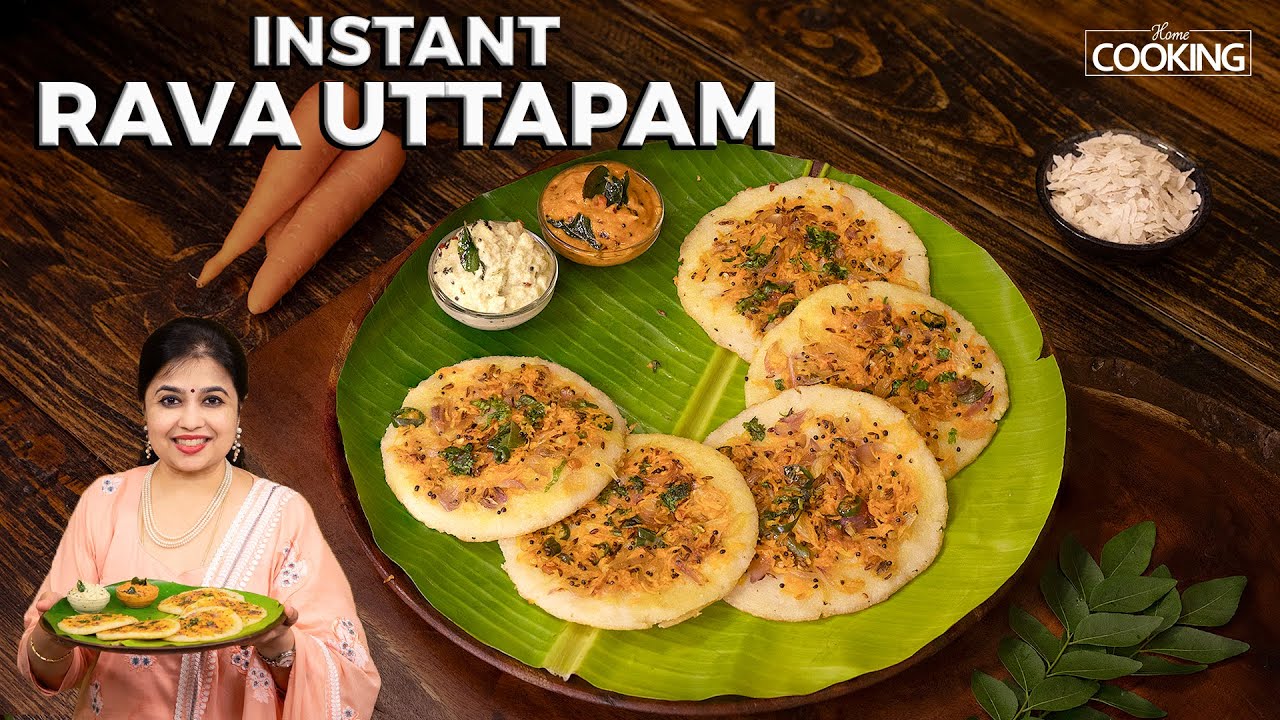
You know those mornings when you want something hot, soft, and homemade, but don’t have time for long fermentation?
That’s where this Instant Rava Uttapam comes in.
It’s soft, slightly crisp on the edges, loaded with veggies, and honestly… it feels like comfort food on a busy day.
Why You’ll Love This Instant Rava Uttapam
Customizable with whatever veggies you have
No fermentation needed
Ready in under 30 minutes
Perfect for breakfast, lunch box, or even a light dinner
Breaking Down Your Flavor Builders
Sooji Rava (Semolina) – The base that gives uttapam its structure and slightly grainy, satisfying texture. It’s quick-cooking and doesn’t need fermentation.
Flattened Rice (Poha) – Soaked and ground into the batter, it adds softness, helps with binding, and gives the uttapam a texture closer to traditional fermented versions.
Curd – Adds tanginess that mimics fermented batter and helps activate the ingredients, giving you a slight sourness that’s characteristic of good uttapam.
Salt – For seasoning the batter and toppings appropriately.
Water – To achieve the perfect batter consistency—thick enough to hold toppings but spreadable.
Oil – For tempering the toppings and cooking the uttapam to golden perfection.
Chana Dal – Adds nutty crunch and texture to the topping mixture.
Mustard Seeds – Classic South Indian tempering that brings sharp, pungent flavor.
Cumin Seeds – Earthy warmth that complements the vegetables beautifully.
Shallots – Sweeter and more delicate than regular onions, they caramelize beautifully and add wonderful flavor without overpowering.
Green Chilli – Fresh heat that wakes up your palate without being overwhelming.
Ginger – Adds warmth, slight spiciness, and aromatic depth.
Curry Leaves – The aromatic signature of South Indian cooking—absolutely essential.
Asafoetida (Hing) – A tiny pinch adds savory depth and aids digestion.
Carrot – Grated carrots add sweetness, color, crunch, and nutrition.
Coriander Leaves – Fresh, bright, herbaceous notes that lighten and brighten the dish.
Ghee – Used for cooking, it adds richness and that irresistible aroma. You can use oil if preferred.
🌿 Vegan Swap: Replace curd with plant-based yogurt (coconut or soy yogurt work beautifully) and use oil instead of ghee for cooking. Everything else is already vegan!
How This All Comes Together
Start by taking rava and soaked aval in a bowl. Once the aval is soft, add curd and salt. Mix it nicely, you’ll see it coming together into a thick mixture.
Now, slowly add water and bring it to a smooth batter. Not too runny, not too thick. Let it rest for about 30 minutes. This rest time makes a big difference; it softens everything.
Meanwhile, heat a pan with oil. Add chana dal, mustard seeds, and cumin seeds. Once they start to splutter, go in with chopped shallots, green chillies, and ginger.
Sauté until it smells amazing; this is where the flavor builds.
Add curry leaves, a little salt, a pinch of hing, and grated carrot. Mix it all and switch off the flame. Your topping is ready.
Now heat your tawa. Pour a ladle of batter; don’t spread it too thin. You want that nice thick uttapam texture.
Top it with the prepared mixture, sprinkle some fresh coriander, and drizzle ghee around.
Cover and cook for about a minute. Flip gently and cook the other side until golden.
And that’s it… hot, fluffy uttapam ready!
Pro Tip💡 : If your batter becomes too thick after resting, just add a little water and mix. The consistency should be pourable but not watery.
What Goes Best With Uttapam?
Packing Tips
- Let it cool slightly before packing
- Use butter paper to prevent sticking
- Stays soft for a few hours, perfect for lunch boxes
Common Mistakes to Avoid
Batter Too Thick
You’ll end up with dense uttapam; adjust with water.
Cooking on High Flame
It may burn outside and stay raw inside. Always medium flame.
Skipping Rest Time
Even 20–30 minutes helps with texture, don’t skip it.
How to Store
- Batter can be stored in the fridge for up to 1 day
- Stir well before using
How to Reheat
Avoid the microwave if you want crisp edges
Heat the tawa with a little ghee
Other Related Recipes you might like
- Instant Rava Paniyaram — soft, spiced rava dumplings made from a similar batter — great alternative breakfast bite.
- Set Dosa — fluffy, soft dosas that pair beautifully with the same chutneys and sambar.
- Ghee Karam Dosa — ghee-rich, aromatic dosa — a richer dosa option to serve alongside uttapam.
- Tomato Dosa — tangy tomato-infused dosa for a bright, flavorful variation.
- Idli Sambar — classic lentil and vegetable sambar — the perfect soupy accompaniment for uttapam.
- Peanut Chutney — creamy, nutty chutney that complements the savory rava flavors.
- Chammanthi (Coconut Side Dish) — fresh coconut chutney — a cooling, traditional dip for uttapam.
Instant Rava Uttapam
Description
Instant Rava Uttapam is a soft, fluffy, and wholesome South Indian breakfast made with rava, curd, and veggies. This no-fermentation recipe is quick, easy, and perfect for busy mornings or tiffin boxes. With crispy edges, a fluffy center, and colorful toppings, it’s a delicious dish that pairs beautifully with coconut or tomato chutney. A must-try for anyone who loves comforting, homemade breakfasts!
Ingredients
To Make Batter
To Make Toppings
Instructions
-
Soak Flattened Rice
Wash and soak flattened rice for a few minutes. -
Chop Ingredients
Finely chop shallots, green chilies, and ginger. -
Grate Carrots
Grate carrots and keep them ready.
-
Prepare Herbs
Prepare curry leaves and coriander leaves.
Methods
-
Prepare the Batter
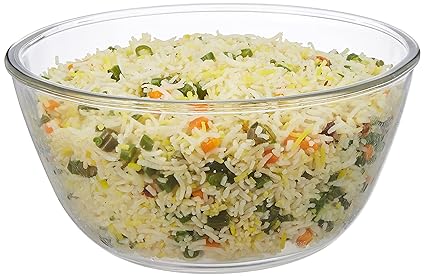
In a large bowl, take rava and soaked flattened rice. Add curd and salt. Mix well. Add water little by little until you get a smooth batter. Let it rest for 30 minutes.

-
Prepare the Toppings
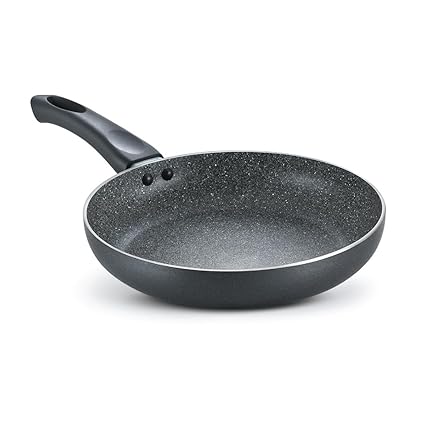
Heat oil in a pan. Add chana dal, mustard seeds, and cumin seeds. Once they splutter, add chopped shallots, green chilies, and ginger. Sauté well. Add curry leaves, salt, asafoetida, and grated carrots. Mix everything and set aside.
-
Make the Uttapam
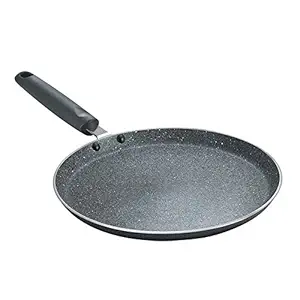
Heat a tawa and pour a ladleful of batter. Spread it gently, keeping it slightly thick. Add prepared toppings, sprinkle coriander leaves, and drizzle ghee or oil. Cover and cook for a minute, then flip the uttapam carefully and cook for another minute.
-
Serve & Enjoy
Your hot, fluffy uttapam is ready! Serve with coconut or tomato chutney and enjoy a delicious breakfast.
Equipment
Affiliate Disclosure: This post contains Amazon affiliate links, i.e., when you buy any product using the links below, we get commissions. but it doesn’t cost you anything extra. If you do purchase any product using the given links, we thank you in advance!
Nutrition Facts
Servings 3
- Amount Per Serving
- Calories 210kcal
- % Daily Value *
- Total Fat 5g8%
- Total Carbohydrate 35g12%
- Dietary Fiber 3g12%
- Protein 6g12%
* Percent Daily Values are based on a 2,000 calorie diet. Your daily value may be higher or lower depending on your calorie needs.