


Imagine a bowl of warm, creamy goodness that’s somewhere between porridge and risotto—soft, almost fluffy grains of kodo millet and moong dal cooked down until they meld together, studded with golden-brown cashews, perfumed with curry leaves, and enriched with ghee that pools in little glossy puddles on top. The texture is comfort itself: thick, creamy, with just enough bite from the millet and dal to remind you you’re eating whole grains. The flavor is savory and warming—nutty from the roasted moong dal and millet, peppery with a gentle heat, gingery and bright, with that distinctive aroma of tempering spices sizzling in ghee. This is breakfast food that feels like a hug, perfect for chilly mornings, when you’re feeling under the weather, or when you want something nourishing that doesn’t feel virtuous or boring. It’s also unexpectedly elegant enough to serve at brunches or as comfort food for guests.
Pongal is one of South India’s most beloved dishes—a savory rice-and-lentil porridge that’s eaten for breakfast, offered in temples as prasadam, and celebrated during the harvest festival that shares its name. This version swaps traditional rice for kodo millet, one of the ancient “positive millets” that’s been cultivated in India for over 3,000 years. Kodo millet fell out of favor during the green revolution but is now making a comeback for its nutritional benefits—high in fiber, protein, and minerals, with a low glycemic index that makes it diabetic-friendly. The beauty of this substitution is that kodo millet has a mild, slightly nutty flavor that actually works beautifully with traditional pongal seasonings. My introduction to millet pongal came from a nutritionist friend who insisted I’d never miss the rice—and she was absolutely right. It’s become my go-to weekend breakfast, especially when I want something warm and comforting that also happens to be incredibly healthy.
The Ingredients
For this nourishing bowl, you’ll need kodo millet—these tiny, round grains have a mild flavor and cook down beautifully creamy. Water is your cooking liquid, though some people use a mix of water and milk for extra richness. Salt seasons everything and helps soften the grains. Ghee is absolutely essential—this isn’t the dish to be stingy with it; ghee is what makes pongal taste like pongal, adding richness and that distinctive, nutty aroma. Cashew nuts bring buttery crunch and make the dish feel special. Peppercorns provide gentle heat and that fresh, sharp pepper flavor that defines ven pongal (savory pongal). Cumin seeds add their warm, earthy, slightly citrusy notes. Fresh ginger brings brightness and warmth, plus it’s excellent for digestion. Hing (asafoetida) adds that mysterious umami depth and helps with digestibility. Curry leaves are the soul of South Indian cooking—aromatic, slightly bitter, absolutely essential. Moong dal (split yellow mung beans) provides protein, helps create that creamy texture, and adds its own mild, slightly sweet flavor.
How to Make Millet Pongal
Let’s start with the prep work, which sets you up for success. Take your moong dal and dry roast it in a heavy pan over medium heat. Keep stirring constantly so it roasts evenly and doesn’t burn. You’ll start to smell a wonderful, nutty aroma, and the dal will turn a pale golden color. This takes about 5-7 minutes. Don’t rush this step—roasting adds incredible depth of flavor and makes the dal more digestible. Once it’s beautifully golden and fragrant, transfer it to a plate and set aside.
Take your kodo millet and rinse it thoroughly under running water, swishing it around with your hands. Millets can have a natural bitterness if not washed well, so rinse until the water runs clear. Once cleaned, soak the millet in enough water to cover it for 30 minutes. This softens the grains and significantly reduces cooking time. While the millet soaks, finely chop your ginger—you want small pieces that will distribute throughout the pongal rather than large chunks.
💡 Pro Tip: Don’t skip the roasting of moong dal or the soaking of millet. These steps seem minor but make a huge difference in the final taste and texture.
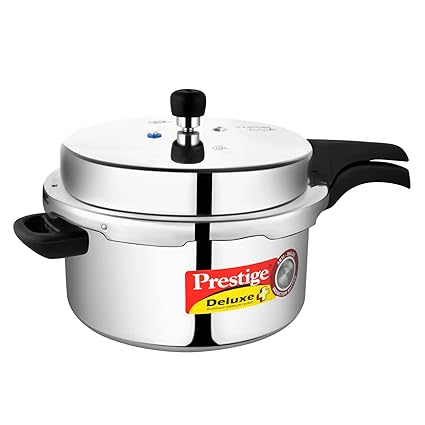
Now for the cooking. Drain your soaked kodo millet and add it to a pressure cooker along with the roasted moong dal. Add water, salt, and give everything a good stir to combine. The ratio here is important—you want enough water to cook the grains completely soft but not so much that your pongal becomes soup. Close the pressure cooker lid and cook on medium-high heat. Once you hear the first whistle, reduce the heat to low and let it cook for two more whistles—three whistles total. Then turn off the heat completely and let the pressure release naturally. Don’t force it open; the natural release continues cooking the grains gently and ensures everything is perfectly soft.
💡 Pro Tip: If you don’t have a pressure cooker, you can cook this in a regular pot with a lid. Just use slightly more water and simmer for about 40-45 minutes, stirring occasionally, until both the millet and dal are completely soft and creamy.
Once the pressure has released and you open the cooker, you should see beautifully cooked, soft grains and dal. Give it a gentle stir with a ladle, breaking up any lumps. The mixture should be thick and creamy—think risotto consistency—where the grains are distinct but the whole thing flows together. If it’s too thick, add a splash of hot water and stir. If it’s too thin, let it simmer uncovered for a few minutes to thicken.
Now for the magic—the tempering that transforms this from plain porridge to irresistible pongal. Heat ghee in a small pan until it’s shimmering and fragrant. Add your cashew nuts and fry them on medium heat, stirring constantly, until they turn golden brown. This happens quickly, so don’t walk away. Once the cashews are perfect, add your peppercorns and cumin seeds. They’ll crackle and pop immediately. Add the finely chopped ginger and sauté for 30 seconds until it’s fragrant and slightly golden at the edges.
Turn off the heat—this is important because you’re about to add ingredients that can burn easily—and immediately add the hing and curry leaves. Stand back slightly because the curry leaves will splutter and pop in the residual heat. Let everything sizzle together for a few seconds. The aroma at this point should be absolutely intoxicating—toasted ghee, fried cashews, sharp pepper, warm cumin, pungent hing, and those aromatic curry leaves all mingling together.
Pour this entire tempering—every last drop of that flavored ghee—over your cooked millet and dal mixture. Use a spatula to scrape out every bit from the pan. Give everything a thorough but gentle mix, folding the tempering through the pongal so those flavors permeate every spoonful. The ghee will make the pongal glossy and rich, the spices will perfume it, and those cashews will add little pockets of buttery crunch.
💡 Pro Tip: Make extra tempering if you’re a ghee lover. You can drizzle more on top when serving—in South Indian homes, pongal is often served with extra ghee on top, and it’s absolutely delicious.
What Goes With Kodo Millet Pongal
Kodo millet pongal is traditionally served with coconut chutney—the cool, creamy chutney balances the warm, peppery pongal beautifully. Sambhar is another classic pairing, turning this into a complete, satisfying meal. Some people love it with a simple vegetable curry or even just a dollop of pickle on the side. A banana on the side is traditional in South Indian meals and provides a sweet contrast. For a more elaborate breakfast spread, serve it alongside idlis, vadas, and filter coffee.
How to Serve
Serve kodo millet pongal hot in wide, shallow bowls—the traditional way is on a banana leaf, but a regular bowl works just fine. Make a small well in the center and pour extra tempering or a spoonful of ghee into it for that restaurant-style presentation. Serve the coconut chutney and sambhar on the side so people can add as much or as little as they like. Some people mix everything together; others prefer to take spoonfuls of pongal and dip it into the accompaniments.
How to Store
Store leftover pongal in an airtight container in the fridge for up to 3 days. It will thicken considerably as it cools and sits, which is normal. The ghee might solidify on top, which actually helps preserve it. Don’t leave it at room temperature for more than 2 hours as it’s a perfect environment for bacterial growth.
How to Reheat
To reheat, add a few tablespoons of water or milk to loosen the consistency, then heat gently on the stovetop, stirring frequently to prevent sticking. You can also microwave it with a splash of water, stirring halfway through. If it seems dry, add more water—reheated pongal should be creamy and pourable, not stiff and clumpy. Add a fresh drizzle of ghee when reheating to refresh the flavors.
Common Substitutions
No kodo millet? You can use any millet—foxtail, little millet, or barnyard millet all work beautifully. Traditional rice also works if you want to make classic pongal.
Can’t find moong dal? Toor dal (split pigeon peas) is a good substitute, though it creates a slightly different texture.
Out of fresh ginger? Dried ginger powder works, but use just a pinch as it’s more concentrated.
No curry leaves? Skip them rather than substituting—frozen curry leaves work if you can find them, but nothing truly replicates their flavor.
Want to add vegetables? Stir in some cooked carrots, peas, or beans when you add the tempering for a more complete one-pot meal.
🌿 Vegan Swap: Replace ghee with coconut oil or any neutral oil. Coconut oil actually works beautifully here, adding its own subtle flavor that complements the South Indian spices. Everything else is already plant-based.
How to Make this Healthy Breakfast in Batch?
Kodo millet pongal is excellent for meal prep and feeding crowds. Cook a large batch and portion it into containers for the week—just reheat with a splash of water and it’s breakfast ready in minutes. The tempering can be made ahead and stored separately in the fridge, then warmed and poured over freshly reheated pongal. For brunches or potlucks, keep pongal warm in a slow cooker on low, with extra tempering and accompaniments served on the side. You can even make the entire dish a day ahead—it actually tastes even better the next day as the flavors meld. For a crowd-pleasing presentation, set up a pongal bar with various toppings: extra cashews, fried curry leaves, different chutneys, and crispy papadums for crunch.
Other Related Recipes You Might Like
- Ivy Gourd Curry (Kovakkai Curry) — lightly spiced ivy gourd curry that pairs well with pongal.
- Tender Coconut Payasam — creamy, coconut-forward payasam — a sweet finish for festive meals.
- Jaggery Coconut Ladoo — soft, naturally sweet ladoos made with jaggery and coconut.
- Condensed Milk Coconut Ladoo — rich, no-fuss coconut ladoos made with condensed milk.
- Rava Pongal — comforting semolina pongal — a close, traditional cousin to millet pongal.
- Makhana Ladoo (High Protein Laddu) — protein-rich makhana laddoos ideal for festive platters.
- Poha Ladoo (Aval Laddu — Healthy) — light, healthy poha-based ladoos — great as a wholesome sweet.
Browse Breakfast Recipes by Category
- All Breakfast Recipes
- Dosa Recipes
- South Indian Breakfast Recipes
- Healthy Breakfast Recipes
- North Indian Breakfast Recipes
Millet Pongal
Description
This Millet Pongal is a wholesome and comforting South Indian breakfast dish made with nutrient-rich kodo millet and moong dal. It's a healthy twist on the traditional rice-based pongal, perfect for anyone looking to include more millets in their diet. Cooked until soft and creamy, then topped with a flavorful tempering of ghee, cashews, pepper, cumin, ginger, and curry leaves, this dish is not just nutritious but also full of flavor. It's light on the stomach, easy to digest, and a great way to start your day with warmth and nourishment. Whether you're new to millets or already a fan, this recipe is a must-try!
Ingredients
Instructions
Prep Work
-
Roast Moong Dal
Dry roast the moong dal in a pan over medium heat until it turns golden brown and releases a nutty aroma.

-
Wash the Kodo Millet
Rinse the kodo millet thoroughly under running water to remove any dirt or impurities. -
Soak the Millet
Soak the rinsed kodo millet in enough water for 30 minutes to soften it for quicker cooking. -
Chop the Ginger
Finely chop a small piece of fresh ginger to enhance the flavor of the pongal.
Method
-
Roast Moong Dal
Roast the moong dal in a pan until fragrant and golden brown. Transfer to a plate and set aside.
-
Soak Millet
Wash kodo millet thoroughly and soak it for 30 minutes. -
Combine Millet & Dal
In a pressure cooker, mix roasted moong dal and soaked millet. Add water and salt, stir well.
-
Pressure Cook
Close the cooker and cook for 3 whistles. Let the pressure release naturally before opening. -
Mix the Pongal
Once cooked, stir the mixture gently for a creamy texture. -
Prepare the Tempering
In a small pan, heat ghee, fry cashew nuts, add peppercorns, cumin, and ginger. Sauté until fragrant. -
Add Asafoetida & Curry Leaves
Turn off heat and add hing and curry leaves. Allow it to sizzle in the residual heat. -
Combine Tempering with Pongal
Pour the tempering over the pongal and mix well.
-
Serve
Serve hot with coconut chutney or sambar for a complete meal.
Equipment
Affiliate Disclosure: This post contains Amazon affiliate links, i.e., when you buy any product using the links below, we get commissions. but it doesn’t cost you anything extra. If you do purchase any product using the given links, we thank you in advance!
Nutrition Facts
Servings 2
- Amount Per Serving
- Calories 250kcal
- % Daily Value *
- Total Fat 10g16%
- Saturated Fat 5g25%
- Cholesterol 15mg5%
- Sodium 300mg13%
- Potassium 250mg8%
- Total Carbohydrate 30g10%
- Dietary Fiber 3g12%
- Sugars 1g
- Protein 6g12%
- Vitamin A 200 IU
- Vitamin C 2 mg
- Calcium 40 mg
- Magnesium 45 mg
* Percent Daily Values are based on a 2,000 calorie diet. Your daily value may be higher or lower depending on your calorie needs.

User Reviews
Very simple ingredients and method to follow.
For millet pongal you have not mentioned the amount of water to be added to the soaked millet after placing it in the pressure cooker, please reply – how much water is needed to cook the millet pongal, thank you
For 1⁄2 cup kodo millet and add 1/2 cup dal (1 cup in total) add 4 cups of water