Think upma is boring? This one will change your mind.
If you’ve been trying to eat healthy but keep going back to the same old breakfast… this Ragi Upma is your fix.
It’s:
- Light on your stomach
- Packed with nutrients
- And actually tastes good (yes, really)
Plus, it’s a great way to include millets in your daily diet without compromising on flavor.
What is Ragi Upma?
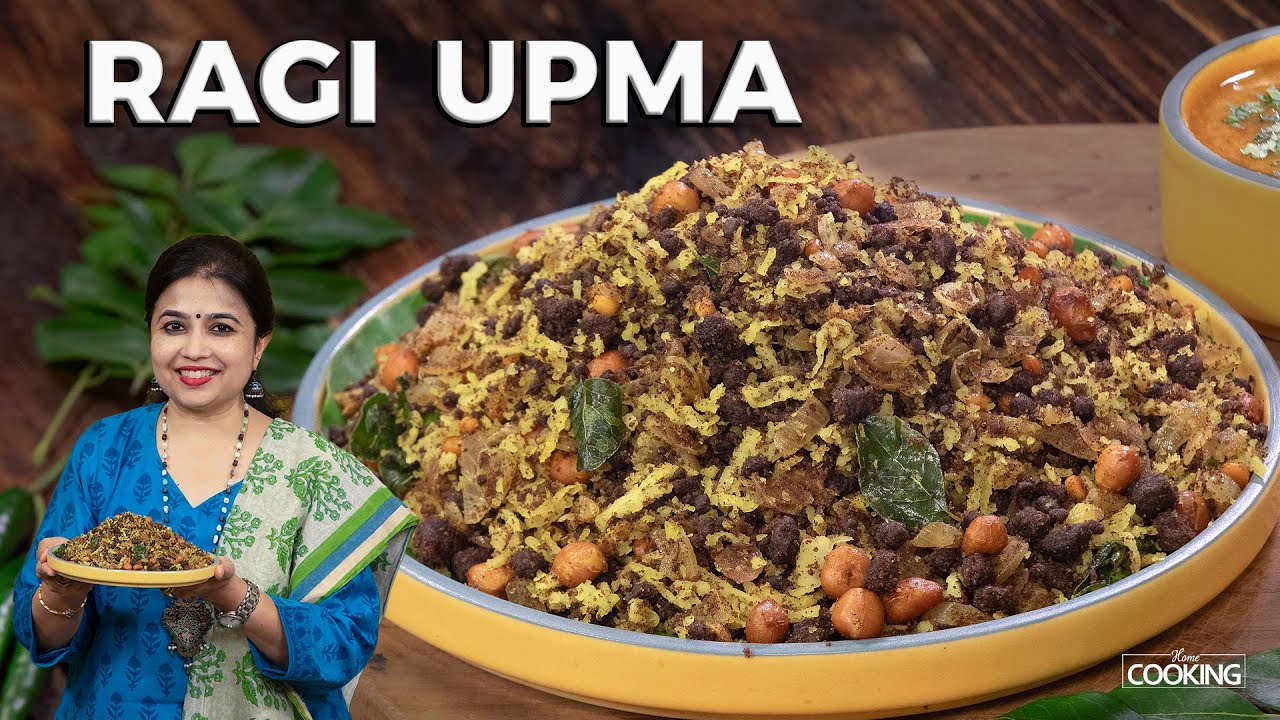
Ragi Upma is a wholesome South Indian breakfast made using finger millet flour (ragi).
Unlike regular upma, this version is:
- Gluten-free
- High in iron and calcium
- Perfect for weight loss and clean eating
The steaming technique gives it a soft, fluffy texture, not sticky or heavy.
Why You Should Add This to Your Diet
Ragi isn’t just trendy, it’s powerful.
Health Benefits:
- Rich in iron → great for anemia
- High in calcium → supports bone health
- Loaded with fiber → keeps you full longer
- Low glycemic index → ideal for diabetics
If you’re looking for a healthy breakfast that actually keeps you full till lunch, this is it.
Breaking Down Your Flavor Builders
- Water – For mixing with ragi flour to the right consistency before steaming.
- Oil – Your cooking medium for the tempering and for greasing the steaming plate.
- Chana Dal – Adds nutty crunch and protein when roasted golden.
- Urad Dal – Roasted until golden, it contributes textural contrast and subtle earthiness.
- Peanuts – Roasted peanuts add crunch, protein, and that characteristic South Indian flavor.
- Mustard Seeds – The foundation of South Indian tempering—sharp, slightly bitter, and essential.
- Cumin Seeds – Warm, earthy base notes that ground all the other flavors.
- Hing (Asafoetida) – Just a pinch adds savory depth and aids digestion—particularly good with millet-based dishes.
- Curry Leaves – The aromatic soul that makes it authentically South Indian—fresh, citrusy, and irreplaceable.
- Ginger – Finely chopped for warming spice and digestive benefits.
- Onion – Finely chopped and sautéed until translucent, adding sweetness and body.
- Green Chilli – Slit lengthwise for heat that’s present but not overwhelming, and easy to remove if needed.
- Turmeric Powder – Golden color, earthy warmth, and anti-inflammatory benefits.
- Salt – Essential for bringing out all the flavors.
- Coconut (Grated) – Fresh coconut adds moisture, subtle sweetness, and that characteristic South Indian touch.
- Ghee – The final flourish that adds richness and that irresistible aroma.
- Ragi Flour (Sprouted) – Your nutritional powerhouse base—earthy, nutty, and packed with minerals and fiber.
🌿 Vegan Swap: This recipe is already vegetarian, but to make it vegan, simply skip the ghee at the end or replace it with coconut oil. The rest of the recipe is completely plant-based!
How to Make Ragi Upma
Start by taking your ragi flour in a bowl. Now slowly add water and mix it using your fingers.
You’re not making a batter here.
You’re aiming for a crumbly texture, soft, grainy, and slightly moist. This step is key. If you add too much water, it’ll turn sticky.
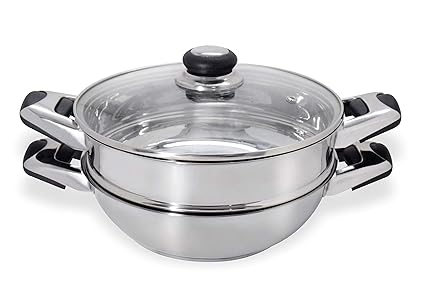
Now spread this mixture onto a greased steamer plate and steam it for about 10 minutes.
Once done, you’ll notice it looks fluffy and separated; that’s exactly what you want. Set it aside.
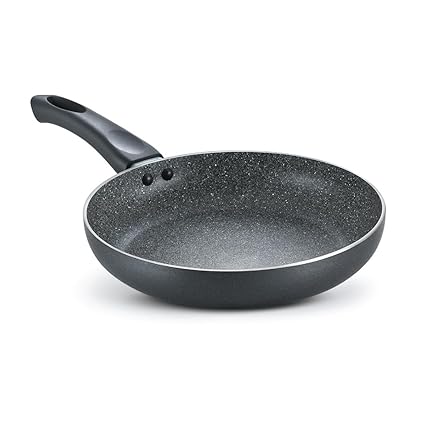
Now heat oil in a wide pan. Add chana dal, urad dal, and peanuts. Let them roast until golden and aromatic.
Then add mustard seeds and cumin seeds. Once they splutter, add hing, curry leaves, and chopped ginger.
Immediately add onions and green chillies. Sauté until the onions turn soft.
Add turmeric and salt, mix well, and then add freshly grated coconut.
Now comes the main part: add your steamed ragi mixture. Gently mix everything together so the tempering coats the ragi evenly.
Finish with a spoonful of ghee.Give it one final mix, and your healthy ragi upma is ready.
Pro tip 💡: Always steam the ragi flour after making the crumble.
Skipping this step will give you a sticky, doughy upma instead of a fluffy one.
Why This Recipe Works
- Steaming gives perfect texture
- Tempering adds crunch and flavor
- Coconut balances the earthy taste of ragi
It’s simple, but every step has a purpose.
Diet-Friendly Notes
- Gluten-free by default
- Vegan Swap 🌿: Skip ghee or replace with coconut oil
- Great for weight loss diets
- Suitable for diabetics (in moderation)
What Goes Well With Ragi Upma?
How to Serve
Serve it hot, straight from the pan.
Top with:
- Extra coconut
- A drizzle of ghee
- Squeeze of lemon (optional)
Lunch Box & Meal Prep
- Packs well for the office or kids’ lunch box
- Stays soft for hours
- You can steam the ragi in advance and store it
Common Mistakes to Avoid
Adding Too Much Water
Leads to a sticky texture instead of crumble.
Skipping Steaming
This is non-negotiable for texture.
Overcooking After Mixing
Makes it dry and hard.
How to Store Ragi Upma
- Store in fridge for up to 1 day
- Keep in an airtight container
How to Reheat
- Sprinkle a little water
- Heat on low flame or microwave
- Mix gently to restore softness
Substitutions
Add lemon juice for a tangy twist
Add vegetables like carrots, beans for variation
Replace peanuts with cashews
Other Related Recipes You Might Like:-
- Vegetable Oats Upma For Weight Loss — wholesome vegetable-packed oats upma, perfect for weight management.
- Jowar Upma — nutritious jowar upma with a healthy twist.
- Lemon Upma Andhra Style Rava Pulihora — tangy Andhra-style lemon-flavoured rava upma.
- Semiya Upma Vermicelli Upma — light and quick vermicelli upma, perfect for breakfast.
- Peanut Chutney. – Rich and nutty peanut chutney, perfect as a quick side for breakfast dishes.
- Tomato Mint Chutney – Fresh and tangy tomato mint chutney, a refreshing accompaniment to snacks.
- Mango Coconut Chutney – Sweet and tropical mango coconut chutney, great with dosas and idlis.
- Tomato Peanut Chutney – Tangy and nutty tomato peanut chutney, a flavorful side for everyday meals.
Ragi Upma
Description
Ragi Upma is a nutritious twist on the classic South Indian breakfast, transforming finger millet (ragi) flour into a savory, hearty porridge. Toasted mustard seeds and urad dal in hot oil release their nutty aroma, then curry leaves, chopped green chilies, and ginger add bright, spicy notes. Stirring in onions and diced vegetables—like carrots, peas, and bell peppers—creates a colorful, textural base before whisking in ragi flour with water to form a smooth, lump‑free mixture. As the millet cooks, it thickens into a comforting, earthy‑tasting porridge, finished with a squeeze of fresh lemon juice and a sprinkle of chopped cilantro for brightness. Serve Ragi Upma piping hot, topped with toasted peanuts or grated coconut for crunch—a wholesome start to your day.
Ingredients
Instructions
Prep Work
-
Chop the ginger finely
Finely chop a small piece of fresh ginger for an even distribution of flavor throughout the upma.
-
Slit the green chillies
Slit the green chillies lengthwise for a balanced heat and easier removal if needed. -
Finely chop the onion
Peel and finely chop the onion to ensure quick and even cooking during sautéing. -
Grate the fresh coconut
If using whole coconut, grate it finely for better blending with the ragi mixture.
Method
-
Prepare the ragi flour mixture
In a bowl, mix sprouted ragi flour with water gradually until it reaches a crumbly texture

-
Steam the ragi flour
To a steamer plate, apply some oil, and spread out the ragi flour evenly.and steam cook for 10 minutes. Set aside after steaming.
-
Temper the spices
Heat oil in a pan, add chana dal, urad dal, and peanuts. Roast until golden brown. -
Add aromatic spices
Add mustard seeds, cumin seeds, hing, curry leaves, and chopped ginger. Sauté until fragrant. -
Cook onions and chillies
Add chopped onion, slit green chillies, turmeric, and salt. Mix and cook until onions are translucent. -
Add coconut and steamed ragi
Stir in the grated coconut and steamed ragi flour. Mix everything well. Check the seasoning and adjust if needed. -
Final touch with ghee
Add a teaspoon of ghee and give the upma a final quick mix. -
Serve hot
Serve the ragi upma hot for a healthy, nourishing breakfast.
Equipment

Affiliate Disclosure: This post contains Amazon affiliate links, i.e., when you buy any product using the links below, we get commissions. but it doesn’t cost you anything extra. If you do purchase any product using the given links, we thank you in advance!
Nutrition Facts
Servings 3
- Amount Per Serving
- Calories 220kcal
- % Daily Value *
- Total Fat 10g16%
- Saturated Fat 3g15%
- Cholesterol 5mg2%
- Sodium 300mg13%
- Potassium 200mg6%
- Total Carbohydrate 25g9%
- Dietary Fiber 4g16%
- Sugars 2g
- Protein 6g12%
- Vitamin A 100 IU
- Vitamin C 5 mg
- Calcium 60 mg
- Iron 2 mg
- Magnesium 45 mg
* Percent Daily Values are based on a 2,000 calorie diet. Your daily value may be higher or lower depending on your calorie needs.