
South Indian breakfast is in a league of its own. Light yet filling, deeply flavourful yet easy to digest, and built around wholesome ingredients like rice, lentils, and fresh coconut — it is one of the most nutritionally balanced morning meals in the world. Whether you grow up eating it every day or discover it for the first time, a traditional South Indian breakfast has a way of becoming a lifelong comfort.
At the heart of this cuisine are a handful of iconic dishes that have stood the test of time. Soft, pillowy idli served with sambar and coconut chutney. Crispy, golden dosa that crackles when you break it. Medu vada — deep-fried lentil fritters with a crunchy crust and airy interior. And pongal — a gently spiced rice and moong dal preparation that is warm, nourishing, and deeply satisfying on a cool morning. These are not just recipes; they are a way of life across Tamil Nadu, Karnataka, Andhra Pradesh, Kerala, and Telangana.
What ties all South Indian breakfast recipes together is the use of fermented batters. Idli and dosa both start from the same base — rice and urad dal soaked, ground, and left to ferment overnight. This fermentation not only develops flavour but also makes the food easier to digest and enhances its nutritional value. Vada, made from ground urad dal or chana dal, follows a similar principle. These traditional methods have been passed down through generations, and for good reason — they work beautifully.
Beyond the classics, South Indian breakfast also embraces variety and adaptation. Millet pongal replaces white rice with nutrient-dense millets. Rava pongal offers a quick no-fermentation alternative. Hyderabadi spot idli brings a street-food spin to the beloved original. Every region, every household, has its own version — and that’s exactly what makes this cuisine so rich to explore.
This collection brings together the best South Indian breakfast recipes — from traditional idli and vada to regional specialties and wholesome modern variations — all designed to help you recreate the warmth of a South Indian kitchen at home.
Idli Recipes
Idli is the cornerstone of South Indian breakfast — soft, steamed rice cakes that are light on the stomach and deeply satisfying. Here are four ways to enjoy them.
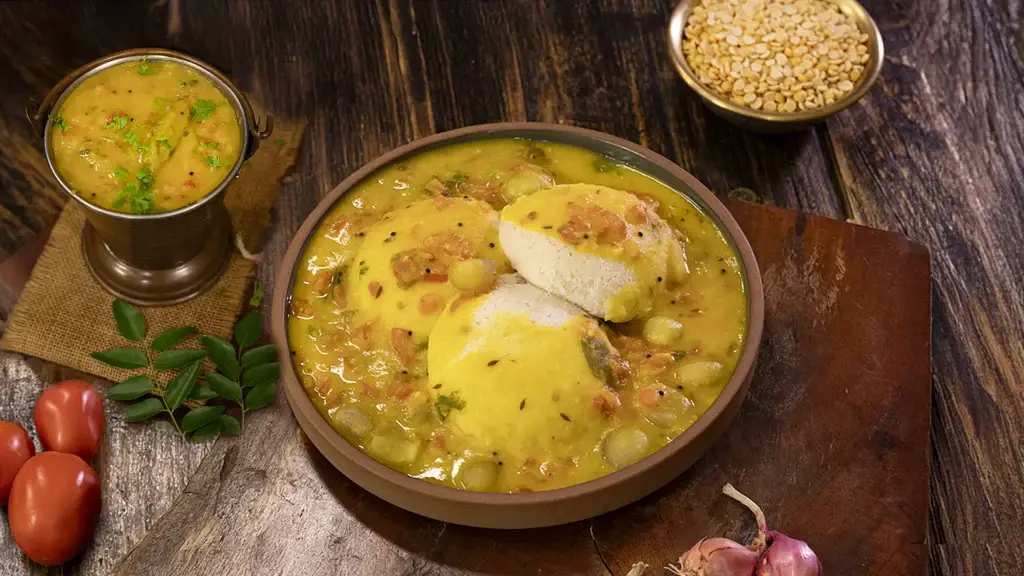
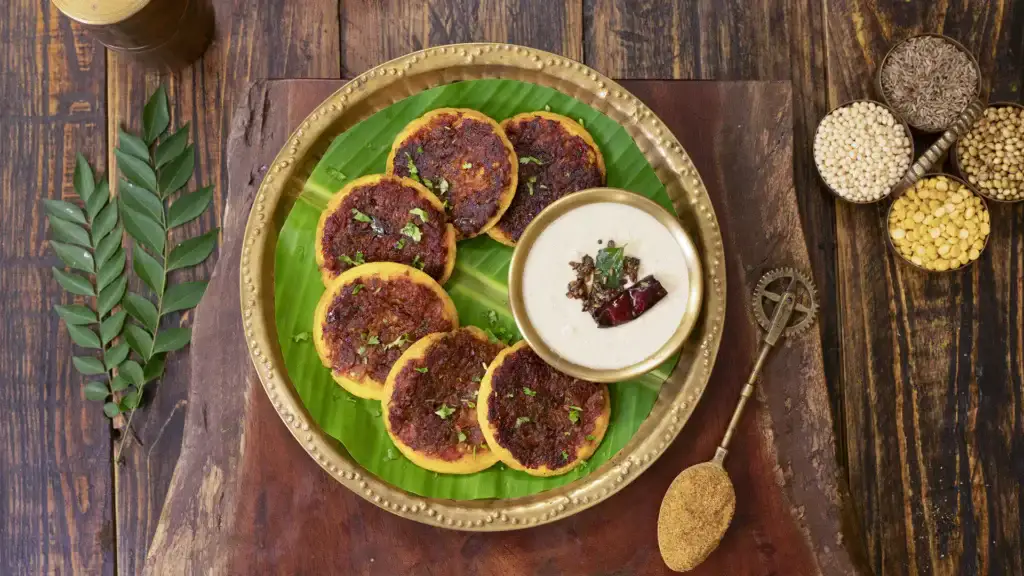
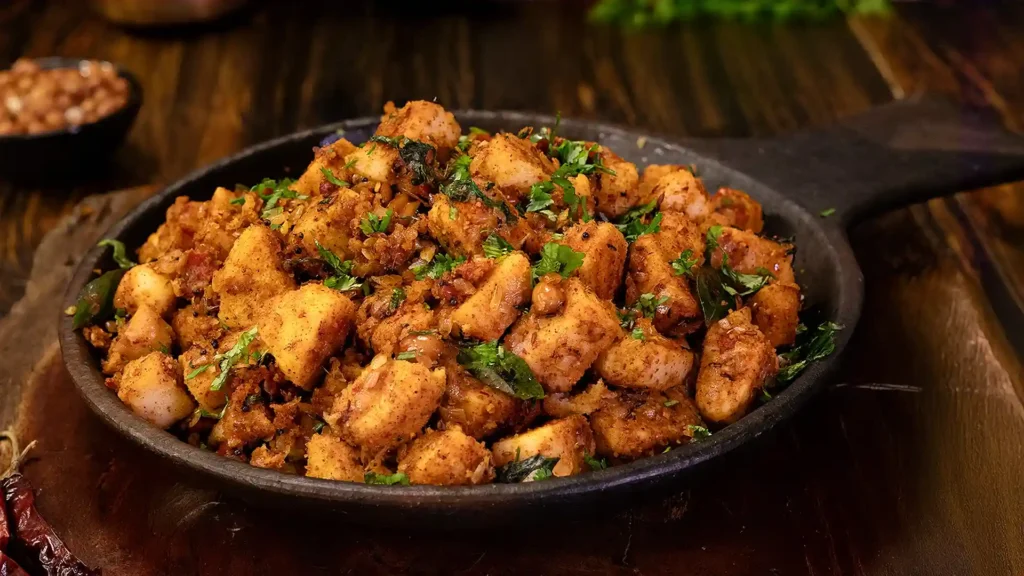
Idli Sambar The ultimate South Indian breakfast pairing. Soft steamed idlis dunked into a tangy, vegetable-packed sambar — this is the combination that defines mornings across Tamil Nadu and beyond. Comfort food at its most classic.
Hyderabadi Spot Idli A street-food favourite from Hyderabad, spot idlis are small idlis tossed in a spiced masala and cooked on a hot tawa until crispy on the outside. Quick, fiery, and full of character.
Masala Idli Fry Leftover idlis get a delicious makeover here — cut into cubes and stir-fried with onions, tomatoes, and spices until slightly crispy and packed with flavour. The best way to use day-old idlis.
Idli Podi Idli podi is a coarsely ground spice powder made with lentils, dried chillies, and sesame seeds — mixed with ghee or oil and served alongside idli. Simple, bold, and addictive.
Vada Recipes
Vada is South India’s answer to the savoury fritter — crispy on the outside, soft within, and deeply flavoured with spices, lentils, and fresh herbs. From the classic medu vada to regional specialties, this collection covers the full range.
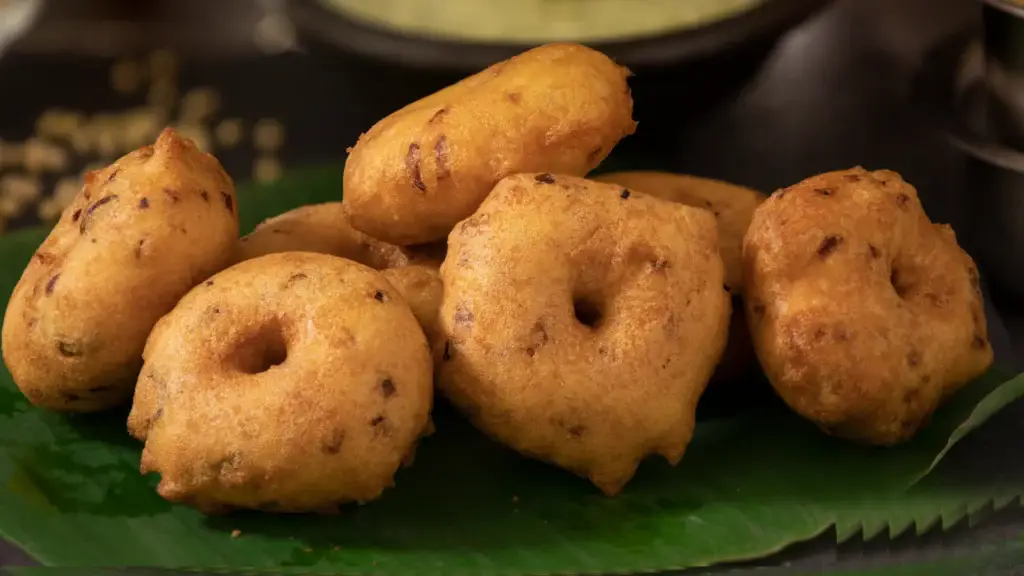
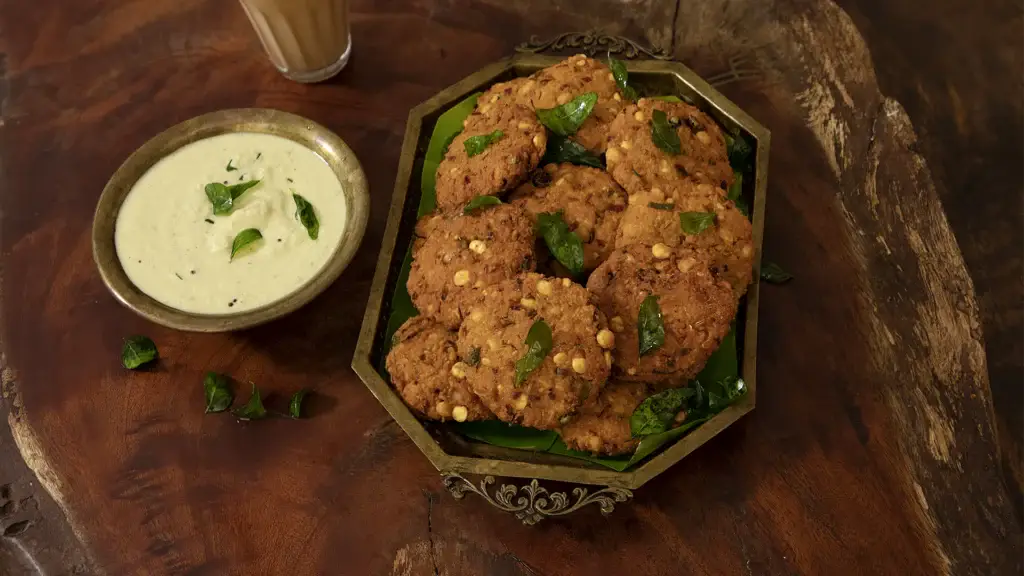
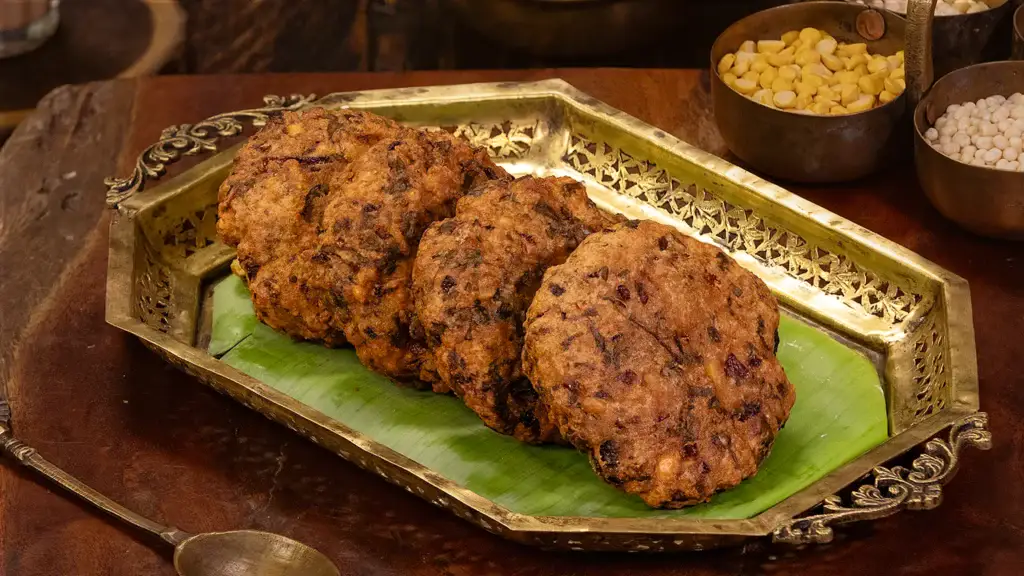
Crispy Medu Vada The undisputed king of South Indian vadas — ring-shaped, deep-fried urad dal fritters with a crunchy golden crust and a fluffy, airy interior. Best served hot with coconut chutney and sambar. 🔗
Masala Vada (Paruppu Vadai) A Tamil Nadu classic made with soaked chana dal coarsely ground with onions, fennel, and dried chillies. These flat, disc-shaped vadas are crunchy all the way through — a popular temple and street food snack.
Crispy Onion Vada (Kerala Style) Kerala’s take on the vada is looser and lacy in texture — loaded with sliced onions, curry leaves, and green chillies, then fried until crisp. Pairs perfectly with a cup of strong chai.
Keerai Vadai (Crispy Spinach Vada) Spinach (keerai) is folded into a lentil-based vada batter, lending these fritters a beautiful green tinge and an extra dose of iron and nutrients. Crispy, wholesome, and flavourful.
Thavala Vadai (Crispy Dal Vada) A Tamil-style mixed dal vada made with a blend of lentils — more complex in flavour than a single-dal vada, with a satisfying crunch and a spiced, herby interior.
Green Gram Vada Made with whole or split green moong, this lighter vada is a great high-protein alternative to the heavier urad dal version. Crispy outside, moist and well-spiced within.
Moong Dal Bhajiya (Moong Dal Vada) Soaked moong dal ground with ginger, chillies, and fresh coriander makes for a quick, crispy fritter that works equally well as a breakfast side or an evening snack.
Sabudana Vada A popular fasting food made with soaked sago pearls, mashed potato, crushed peanuts, and green chillies — pan-fried or deep-fried into crispy patties. Light, gluten-free, and wonderfully textured.
Maddur Vada Named after the town of Maddur in Karnataka, these flat crispy vadas are made with a combination of semolina, rice flour, and maida with onions and curry leaves — famous for their distinctive crunch.
White Lobia Vada Made with soaked white lobia (black-eyed peas), these vadas are less common but incredibly flavourful — nutty, slightly earthy, and spiced with the usual South Indian aromatics.
Black Urad Dal Vada Made with whole black urad dal rather than the skinned white variety, these vadas have a deeper, earthier flavour and a heartier texture. A lesser-known but deeply satisfying version.
Vada Curry Leftover medu vadas are simmered in a rich, spiced onion-tomato gravy to create this iconic Madras breakfast side dish. Usually served with idli, appam, or poori — utterly delicious.
Pongal Recipes

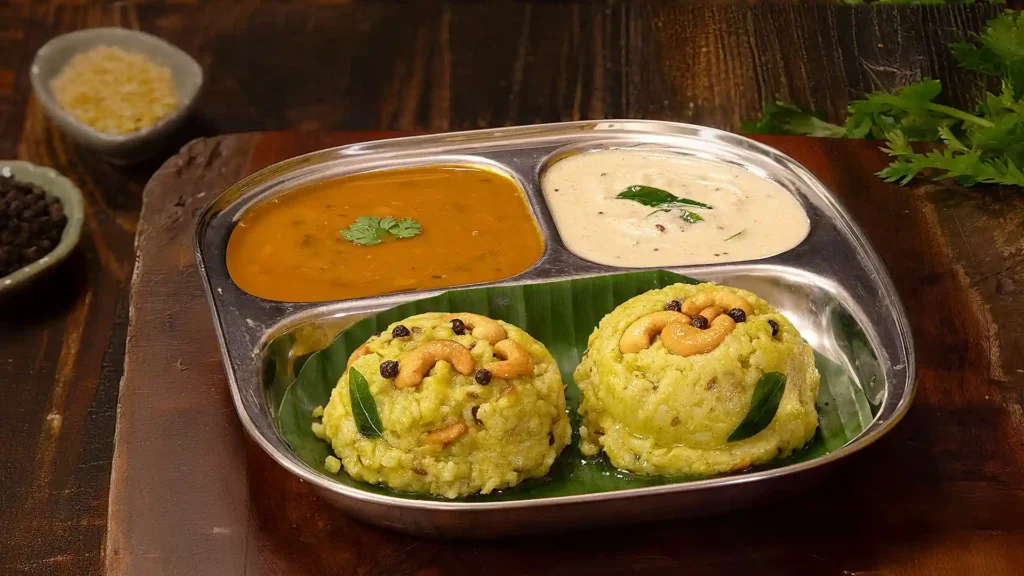
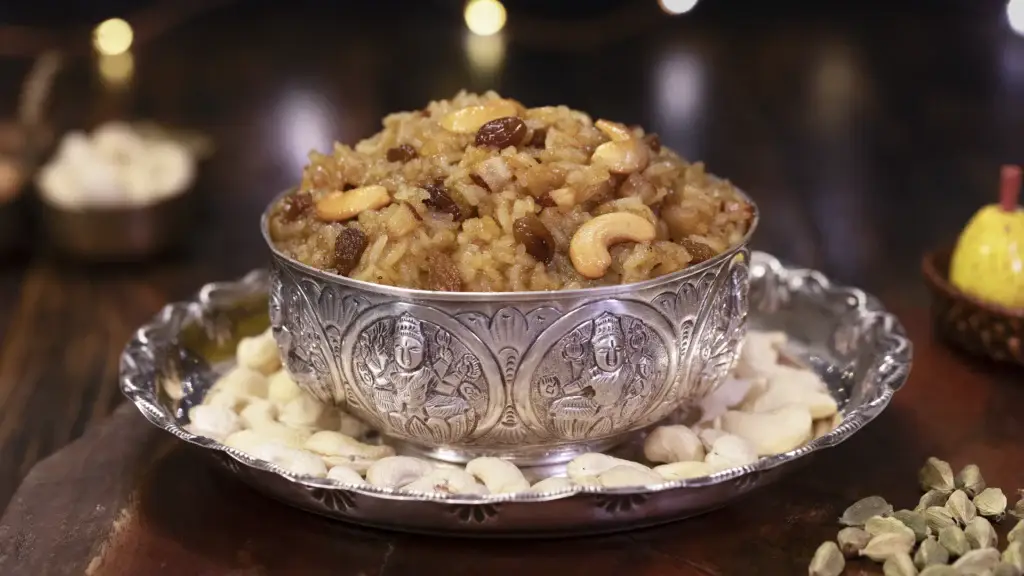
Pongal is the ultimate South Indian comfort breakfast — a creamy, gently spiced dish of rice cooked with lentils or served as a sweet jaggery preparation. Here are five beautiful variations.
Rava Pongal A quick, no-rice version of the classic made with semolina (rava) instead. Comes together in minutes without soaking or grinding — a great weekday alternative that doesn’t compromise on flavour.
Millet Pongal White rice is swapped for nutrient-dense millets in this wholesome version — higher in fibre, lower in glycaemic load, and just as creamy and satisfying as the original.
Coriander Pongal Fresh coriander is blended into the pongal base, lending this version a beautiful green colour and a bright, herbaceous flavour. A lovely twist on the traditional khara pongal.
Chakkarai Pongal (Sweet Pongal) The sweet counterpart to savoury pongal — rice and moong dal cooked with jaggery, ghee, cardamom, and cashews into a rich, fragrant dessert-like dish. Made as an offering during the Pongal festival and eaten with great joy.
Temple Style Sweet Pongal This version follows the traditional method used in South Indian temples — slow-cooked with generous ghee, jaggery, and aromatic spices until it reaches that thick, almost pudding-like consistency. Pure, devotional, and deeply comforting.
Browse Breakfast Recipes by Category
FAQ on South Indian Breakfast
What is a typical South Indian breakfast?
A typical South Indian breakfast usually includes one or more of the following: idli served with sambar and coconut chutney, crispy dosa with chutney or potato masala, medu vada, or a bowl of khara pongal. Most of these dishes are made from fermented rice and lentil batters and are accompanied by a cup of filter coffee or strong tea. The spread varies by region — Tamil Nadu leans heavily on idli and dosa, Karnataka is known for its soft set dosa and rava idli, while Andhra breakfasts often feature spicier preparations like pesarattu or upma.
How to make soft idli?
The secret to soft idli lies in three things: the right batter ratio (roughly 3 parts idli rice to 1 part urad dal), proper fermentation (8 to 12 hours in a warm spot until the batter doubles and turns airy), and steaming at the right heat. Avoid over-mixing the batter before steaming. Grease the idli moulds well, fill them only three-quarters of the way, and steam on medium heat for 10 to 12 minutes. A toothpick inserted in the centre should come out clean. Wet your finger and gently touch the surface — if it doesn’t stick, the idli is done.
What is the best chutney for dosa?
Coconut chutney is the classic pairing — fresh coconut blended with green chillies, ginger, and tempered with mustard seeds and curry leaves. For something bolder, tomato chutney with a deep, slightly smoky base works beautifully. Peanut chutney is another popular option, especially in Andhra-style breakfast joints, with its nutty richness balancing the tang of a crispy dosa. If you enjoy heat, a spoonful of idli podi mixed with sesame oil or ghee is hard to beat alongside any dosa variety.