Ever had soft idlis or crispy dosas and wished for a side dish that was more filling than chutney?
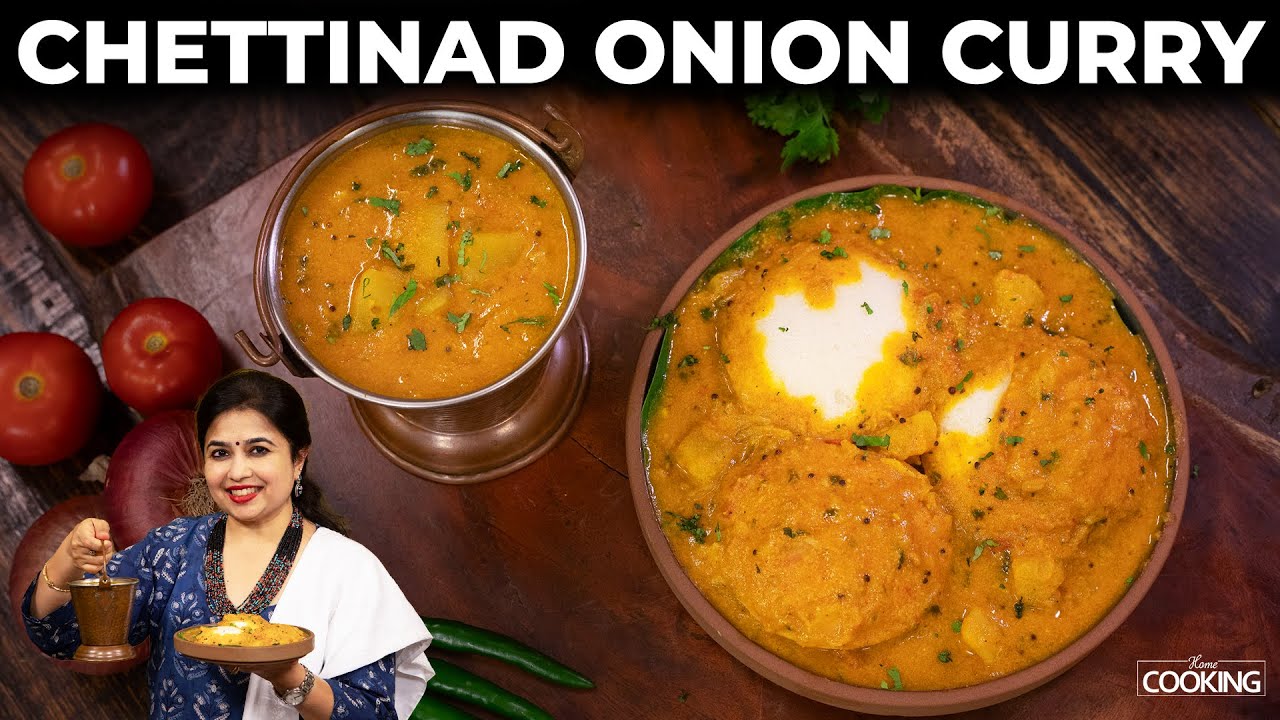
That’s exactly where Chettinad Onion Curry, also called Vengaya Kosu, shines.
This comforting curry is a beautiful blend of sweet onions, tangy tomatoes, warm spices, and a freshly ground coconut masala. The result is a thick, flavorful gravy that pairs perfectly with South Indian breakfast dishes.
The texture is creamy, the flavor is mildly spicy, and the aroma is deeply comforting. It’s the kind of dish you might enjoy in a traditional Chettinad home kitchen, where simple ingredients are transformed into something incredibly satisfying.
Once you try this curry with hot idlis or dosas, it may easily become one of your favorite tiffin side dishes.
What is Chettinad Vengaya Kosu?
Vengaya Kosu is a traditional Chettinad-style onion curry known for its rich coconut-based masala and aromatic spices.
The word vengaya means onion, and kosu refers to a thick gravy or curry in Tamil cooking.
This dish is commonly served with:
- Idly
- Dosa
- Appam
- Kal dosa
- Even plain steamed rice
What makes this curry unique is the fresh coconut masala paste, which gives the gravy its signature richness and flavor.
The Chettinad Cooking Style
Chettinad cuisine is known for its bold spices, layered flavors, and freshly ground masalas.
Many dishes from this region rely on:
- coconut
- roasted gram
- fennel seeds
- dried red chilies
- whole spices
Instead of relying on store-bought spice blends, Chettinad cooking often uses freshly ground masala pastes, which gives the dishes their distinctive aroma.
This onion curry follows the same tradition.
Why This Curry Works So Well for Breakfast
Many South Indian breakfasts rely on light dishes like idly and dosa, which need a flavorful side dish to complete the meal.
This curry works perfectly because it is:
- rich but not heavy
- mildly spicy
- creamy from coconut
- filling thanks to potatoes
It’s also great for meal prep, since the flavors deepen after resting.
Ingredient Breakdown
Let’s take a closer look at the ingredients that give this curry its unique flavor.
- Onions: Onions are the heart of this dish.
When sautéed, they release natural sweetness that balances the spices and tangy tomatoes.
- Tomatoes: Tomatoes provide:
- gentle tanginess
- moisture for the gravy
- a smooth base for the spices.
They also help create the curry’s deep flavor.
- Coconut: Fresh grated coconut is ground into the masala paste.
It gives the curry:
- creamy texture
- mild sweetness
- rich body.
- Roasted Gram: Roasted gram acts as a natural thickener.
It helps create a smooth and slightly thick gravy without using cream or flour.
- Fennel Seeds: Fennel seeds add a light sweetness and a characteristic Chettinad aroma.
They bring a subtle warmth to the masala.
- Poppy Seeds: Poppy seeds provide a mild nutty flavor and help thicken the masala paste.
They also make the curry slightly richer.
How This Chettinad Curry Comes Together
The beauty of this recipe lies in its simple cooking process.
First, a fresh masala paste is prepared by grinding coconut, roasted gram, fennel seeds, poppy seeds, and red chilies with a little water. This paste forms the flavor base of the curry.
Next, oil is heated in a pressure cooker. Mustard seeds and urad dal are added first, followed by whole spices like cinnamon, cloves, and cardamom. These spices release a warm aroma that sets the foundation of the dish.
Then sliced onions, green chilies, and curry leaves are sautéed briefly. As the onions soften, they release their sweetness and begin to build flavor.
Chopped potatoes are added next. They make the curry more filling and help absorb the spices.
Tomatoes are then mixed in and cooked until they soften and become slightly mushy. This step creates the gravy base.
Salt, turmeric powder, and garam masala are added before pouring in some water and pressure cooking the mixture. Cooking it under pressure allows the vegetables to soften and the flavors to combine beautifully.
Once the cooker is opened, the freshly ground coconut masala paste is added. The curry is then simmered gently until the raw aroma of the paste disappears.
Finally, fresh coriander leaves are stirred in for a burst of freshness.
Pro Tip💡 : Always simmer the curry for a few minutes after adding the masala paste. This ensures the coconut cooks properly and the flavors blend smoothly.
Vegan Swap🌿: No substitutions are required since the recipe uses coconut instead of dairy.
What Goes Well with Chettinad Onion Curry
This curry pairs wonderfully with several South Indian dishes.
Best combinations include:
- soft idly
- crispy dosa
- appam
- kal dosa
- paniyaram
It can even be served with steamed rice for a simple lunch.
How to Serve
Serve this curry hot and freshly simmered.
For the best experience:
- Garnish with fresh coriander leaves
- Serve alongside hot idlis or dosas
- Add an extra spoon of gravy for soaking.
The thick coconut gravy coats the Idly or Dosa beautifully.
Packing for Lunch Boxes
This curry works well for lunch boxes too.
Tips for packing:
- Allow the curry to cool slightly before packing
- Pair with dosa, chapati, or rice
- Store in a leak-proof container.
Because it is thick, it travels well.
Bulk Preparation Tips
Cooking for guests or a large family?
You can easily double the recipe.
Just:
- Increase the masala paste ingredients proportionally
- Cook in a larger pressure cooker
- Simmer longer to balance the flavors.
How to Store Chettinad Onion Curry
Store leftover curry in an airtight container.
Refrigerator:
Up to 3 days
The flavor actually improves after resting overnight.
How to Reheat
Reheat gently on the stove.
If the curry thickens too much:
- Add a splash of water
- Simmer for 2–3 minutes.
Stir occasionally so it heats evenly.
Substitutions
You can make small changes depending on availability.
Possible variations include:
- Replacing potatoes with carrots or peas
- Reducing red chilies for a milder version
- Adding a little extra coconut for a richer gravy.
Diet-Friendly Notes
This curry is naturally:
Because it uses coconut instead of cream, it’s also suitable for lactose-free diets.
Common Pitfalls to Avoid
Even simple curries can have a few tricky moments.
Masala paste too thick – Add a little water while grinding to make it smooth.
Not cooking tomatoes fully – Tomatoes should become soft and slightly mushy before pressure cooking.
Skipping the simmering step – The curry must simmer after adding the coconut paste to remove the raw flavor.
Other Related Recipes You Might Like
- Chicken Ghee Roast – bold and spicy chicken dish with deep roasted flavours.
- Andhra Chicken Fry – fiery chicken fry packed with chilli and spices.
- Brinjal Drumstick Curry (Kathirikai Kuzhambu) – tangy tamarind-based curry for traditional meals.
- Dal Fry – comforting lentil curry that pairs well with rice.
- Vegetable Dum Biryani – aromatic biryani perfect with spicy curries.
- Ghee Rice – fragrant rice dish that pairs beautifully with rich gravies.
- Plain Paratha (Saada Paratha) – flaky paratha ideal for scooping spicy curries.
- Naan – 3 Ways (Garlic, Butter, Sesame) – soft naan perfect with thick gravies.
Chettinad Onion Curry
Description
Chettinad Onion Curry by Hema Subramanian is a flavorful South Indian dish made with onions, potatoes, tomatoes, and a freshly ground coconut masala. A delicious curry that pairs perfectly with rice or chapati.
Ingredients
To make masala paste
To make chettinad onion kosu
Instructions
Prep Work
-
Slice onions
Peel and thinly slice the onions and keep them ready

-
Chop vegetables
Chop the potatoes and tomatoes and keep them aside -
Prepare spices
Keep mustard seeds, urad dal, whole spices and curry leaves ready for cooking -
Grind masala paste
Add coconut, roasted gram, fennel seeds, poppy seeds and red chillies to a mixer jar With a little water and grind to a fine paste
-
Chop coriander
Finely chop coriander leaves for garnish
Method
-
Heat oil and temper spices
Heat oil in a pressure cooker. add mustard seeds and urad dal. once they begin to splutter add cinnamon, cloves and cardamom and roast briefly
-
Saute onions
Add sliced onions, slit green chillies and curry leaves. saute the onions for about two minutes
-
Add potatoes
Add the chopped potatoes and mix them with the onions -
Add tomatoes
Add chopped tomatoes and saute them together with the vegetables
-
Add spice powders
Add salt, turmeric powder and garam masala. mix everything well
-
Cook tomatoes
Cook until the tomatoes turn soft and slightly mushy
-
Pressure cook curry
Add water and mix well. close the cooker and cook until two whistles
-
Add masala paste
Open the cooker and add the freshly ground masala paste. mix well with the curry
-
Simmer curry
Add a little water and cook for about ten minutes until the raw smell disappears -
Finish with coriander
Add chopped coriander leaves and mix gently. the chettinad onion curry is ready to serve
Equipment

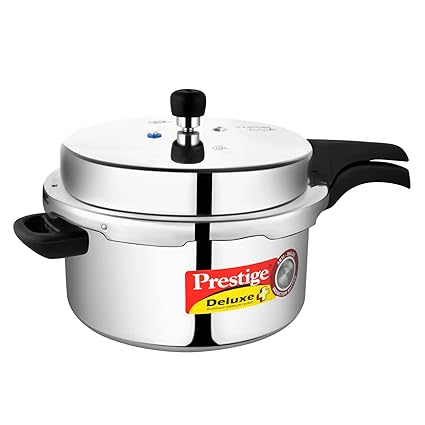
Affiliate Disclosure: This post contains Amazon affiliate links, i.e., when you buy any product using the links below, we get commissions. but it doesn’t cost you anything extra. If you do purchase any product using the given links, we thank you in advance!
Nutrition Facts
Servings 4
- Amount Per Serving
- Calories 210kcal
- % Daily Value *
- Total Fat 12g19%
- Saturated Fat 5g25%
- Sodium 480mg20%
- Potassium 420mg12%
- Total Carbohydrate 22g8%
- Dietary Fiber 4g16%
- Sugars 6g
- Protein 5g10%
- Vitamin A 620 IU
- Vitamin C 20 mg
- Calcium 60 mg
- Iron 2 mg
- Vitamin B6 0.3 mg
- Folate 46 mcg
- Phosphorus 110 mg
- Magnesium 45 mg
- Zinc 1.2 mg
* Percent Daily Values are based on a 2,000 calorie diet. Your daily value may be higher or lower depending on your calorie needs.