Looking for a comforting meal that’s healthy, filling, and actually tastes good?
This jowar khichdi might just be what you need.
It’s warm, lightly spiced, packed with vegetables, and made using jowar, a powerhouse millet that’s great for digestion and overall health. The texture is soft, slightly creamy, and every spoon feels nourishing without being heavy.
What is Jowar Khichdi?
Jowar khichdi is a millet-based version of traditional khichdi, where rice is replaced with jowar.
Popular across Indian homes focusing on healthy eating, this dish is:
- Gluten-free
- High in fiber
- Easy to digest
- Perfect for light meals, detox days, or quick dinners
Why You Should Try This Recipe
Let’s break it down:
- Healthy alternative to rice khichdi
- One-pot meal (less cleanup!)
- Great for weight management
- Naturally gluten-free
- Kid-friendly & customizable
If you’re trying to include more millets in your diet, this is one of the easiest ways to start.
Ingredient Breakdown
Jowar (Sorghum)
The star of the dish.
- Adds fiber + slow-release energy
- Keeps you full longer
Moong Dal
- Adds protein
- Makes the khichdi soft and creamy
Ghee
- Enhances flavor
- Helps digestion (especially with millets)
Vegetables (Carrot, Beans, Peas)
- Adds texture, color, and nutrients
- Makes it a complete meal
Ginger & Green Chilli
- Adds warmth and mild heat
- Boosts digestion
Whole Spices
Cinnamon, cloves, bay leaf, and cumin give a subtle aromatic base without overpowering
How This Jowar Khichdi Comes Together
Start by dry roasting the jowar. As it heats up, it releases a nutty aroma, which is when you know it’s ready. Let it cool and grind it into a coarse texture (not too fine).
Now move to your pressure cooker.
Add ghee and let it melt. Toss in your whole spices: cinnamon, cloves, bay leaf, and cumin seeds. Within seconds, your kitchen will smell incredible.
Add cashews and roast them lightly until golden. Then go in with chopped ginger and slit green chillies. This step builds the base flavor.
Next, add your vegetables: carrots, beans, peas and sauté for a few minutes. Then add tomatoes and let them soften slightly.
Now mix in the washed moong dal, followed by turmeric, salt, and garam masala.
Add your ground jowar and mix everything well so it coats with the masala.
Pour in water and give it a good stir.
Let it cook for a few minutes before closing the lid. Then pressure cook for 2–3 whistles on medium-low flame.
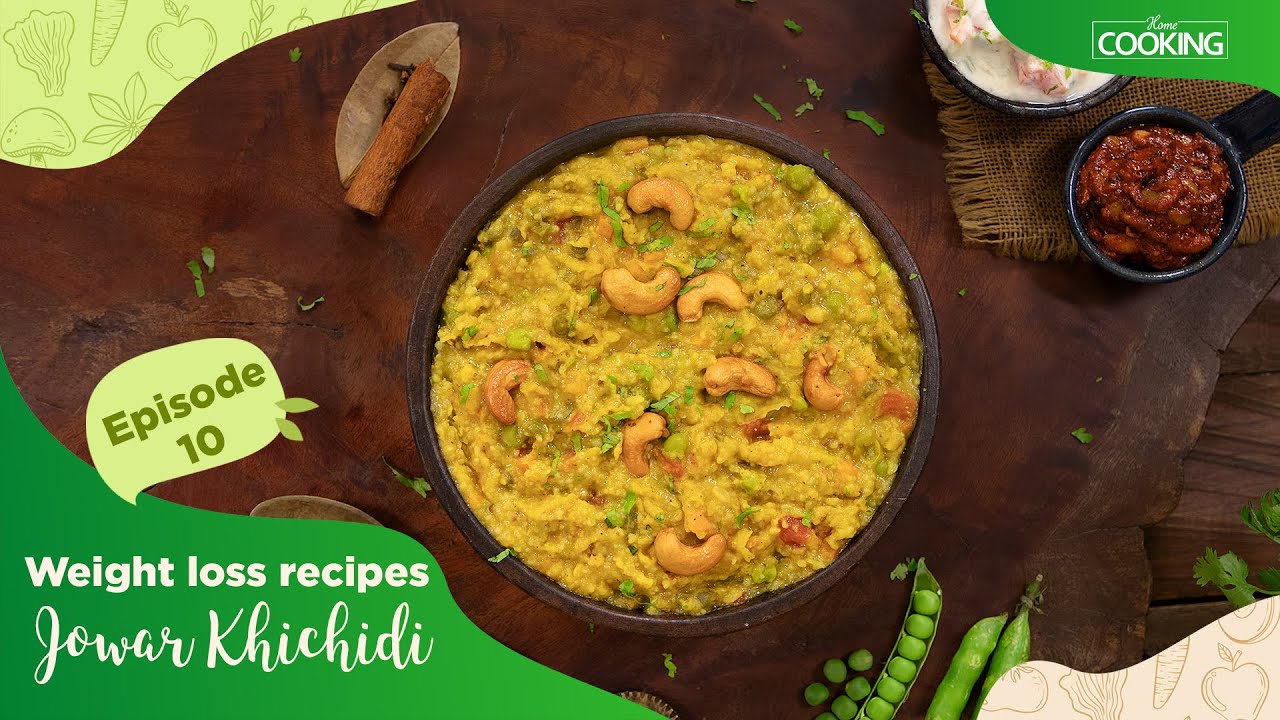
Once done, open it up—you’ll see a soft, creamy, porridge-like khichdi.
Finish with roasted cashews and fresh coriander.
Pro Tip💡If your khichdi feels too thick after cooking, just add a little hot water and mix. Jowar tends to thicken as it sits.
Vegan Swap 🌿 Replace ghee with cold-pressed oil or coconut oil, and Skip cashews or roast them in oil instead
Why This Recipe Works
This isn’t just another khichdi.
It solves real problems:
- Want something light but filling
- Need a quick one-pot meal
- Trying to eat healthier without compromising taste
Diet-Friendly Benefits
- Gluten-Free → Great for gluten intolerance
- High-Fiber → Supports digestion
- Plant-Based Protein → From moong dal
- Low GI → Helps maintain energy levels
What Goes Well With Jowar Khichdi?
Keep it simple:
- Fresh curd or vegan yogurt
- Pickle
- Papad
- A drizzle of ghee on top
How to Serve
- Serve hot, straight from the cooker
- Add extra ghee for richness
- Garnish with coriander and cashews
Lunch Box & Meal Prep Tips
- Thickens over time, so pack slightly loose
- Carry with curd separately
- Great for office lunches or kids’ tiffin
Bulk Cooking / Family Meals
- Easily scalable recipe
- Add more vegetables for volume
- Perfect for weeknight dinners
How to Store Jowar Khichdi
- Refrigerate in an airtight container
- Stays good for 1–2 days
How to Reheat
- Add water while reheating
- Heat on low flame or microwave
- Stir well to bring back creamy texture
Best Substitutions
- No moong dal? → Use masoor dal
- No vegetables? → Make it plain
- No garam masala? → Skip or add pepper
Common Mistakes to Avoid
1. Grinding Jowar Too Fine
- Makes the texture pasty
Keep it coarse
2. Not Roasting Jowar
- Misses nutty flavor
Always dry roast
3. Too Thick Khichdi
- Jowar absorbs water quickly
Adjust consistency after cooking
Other Related Recipes You Might Like:
- Kodo Millet Upma – healthy millet-based breakfast packed with nutrients.
- Vegetable Pulao (One Pot) – quick and flavourful rice dish for everyday meals.
- One Pot Rasam Rice (15 Minutes) – simple, comforting one-pot meal.
- Moong Dal Khichdi – classic light and nutritious khichdi.
- Temple Style Curd Rice – soothing rice dish perfect for light meals.
- Cabbage Kootu – mild lentil and vegetable curry to pair with millet dishes.
- Buttermilk Rasam – light and refreshing rasam for balanced meals.
- Peanut Chutney – flavourful chutney that complements simple dishes.
Jowar Khichdi
Ingredient
Instructions
Prep Work
-
Roast jowar
Dry roast the jowar until it turns golden brown

-
Grind jowar
Let it cool and grind into a coarse powder

-
Chop vegetables
Chop carrot beans tomato and ginger
-
Slit chillies
Slit the green chillies lengthwise
-
Wash dal
Wash moong dal and keep aside
Method
-
Heat ghee
Add ghee to pressure cooker and heat it
-
Add spices
Add cinnamon, cloves, bay leaf and cumin seeds and saute

-
Roast cashews
Add cashew nuts and saute till lightly golden
-
Add aromatics
Add ginger and green chillies and saute briefly
-
Cook veggies
Add carrot beans peas and saute then add tomato

-
Add dal
Add washed moong dal and mix well

-
Add powders
Add turmeric salt and garam masala and mix
-
Add jowar
Add powdered jowar and mix everything well

-
Add water
Add water and mix well

-
Pre cook
Cook the mixture for 10 minutes
-
Pressure cook
Close lid and cook on medium low flame for 2 to 3 whistles
-
Garnish
Garnish with roasted cashews and coriander leaves
-
Serve
Serve hot and enjoy

Equipment
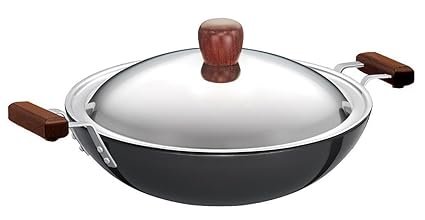
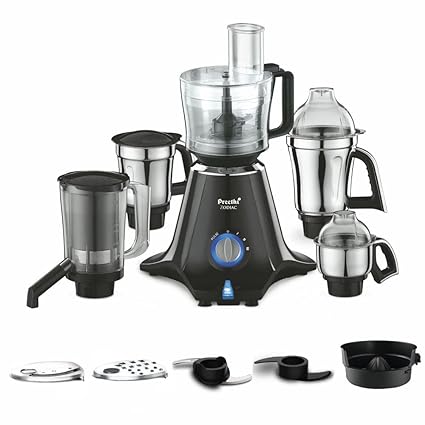
Affiliate Disclosure: This post contains Amazon affiliate links, i.e., when you buy any product using the links below, we get commissions. but it doesn’t cost you anything extra. If you do purchase any product using the given links, we thank you in advance!
Nutrition Facts
Servings 2
- Amount Per Serving
- % Daily Value *
- Total Fat 9g14%
- Saturated Fat 4g20%
- Cholesterol 12mg4%
- Sodium 380mg16%
- Potassium 420mg12%
- Total Carbohydrate 40g14%
- Dietary Fiber 9g36%
- Sugars 4g
- Protein 11g22%
- Vitamin A 100 IU
- Vitamin C 16 mg
- Calcium 85 mg
- Iron 3.2 mg
- Magnesium 75 mg
* Percent Daily Values are based on a 2,000 calorie diet. Your daily value may be higher or lower depending on your calorie needs.