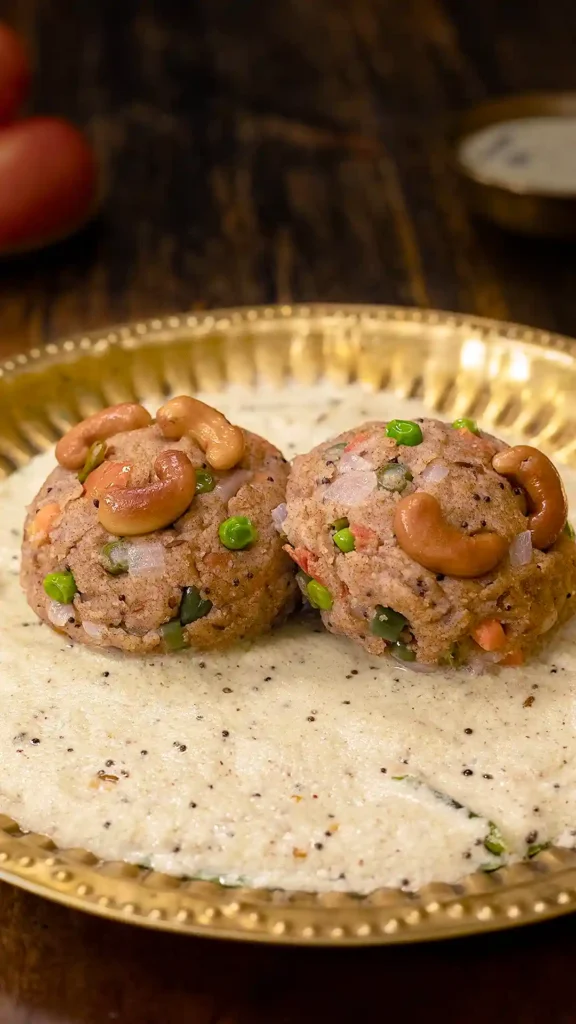

Looking for a breakfast that’s healthy but still satisfying
Let’s be honest.
Most “healthy” breakfasts either leave you hungry in an hour or just don’t taste exciting.
That’s where this ragi upma stands out.
It’s warm, comforting, slightly nutty, packed with veggies, and keeps you full for hours. If you’re trying to eat clean, manage weight, or control sugar levels, this is one recipe you’ll keep coming back to.
Why ragi upma deserves a spot in your routine
Ragi is not just another millet trend. It’s been part of traditional Indian diets for years.
Here’s why this dish works so well
- Rich in fiber, keeps you full longer
- Naturally diabetic friendly
- Great source of plant based protein and calcium
- Easy to digest and light on the stomach
And when you combine it with veggies and rava, you get the perfect balance of taste and nutrition.
Taste and texture you can expect
This isn’t dry or bland like some millet recipes.
- Soft and fluffy texture from rava
- Nutty flavor from ragi
- Crunch from cashews and chana dal
- Freshness from veggies and curry leaves
Every bite feels wholesome and satisfying.
Ingredient breakdown and why it works
Let’s simplify what each ingredient brings
Ragi flour
High in calcium and fiber. Gives an earthy taste
Rava
Balances texture so the upma stays light and fluffy
Ghee and oil
Adds richness and enhances flavor
Cashews and chana dal
Adds crunch and protein
Vegetables
Carrots, beans, and peas add color, nutrition, and slight sweetness
Ginger and green chilli
Gives warmth and mild spice
Vegan Swap 🌿: You can replace ghee with oil or coconut oil for a fully vegan version without compromising taste.
How this ragi upma comes together in your kitchen
Start by heating ghee and oil in a kadai. As it melts, add cashews and chana dal. Let them turn golden and crisp. This step builds the base texture.
Now add mustard seeds and cumin seeds. Once they start spluttering, toss in chopped onions, green chillies, and ginger. The aroma at this stage tells you everything is going in the right direction.
Add tomatoes and your vegetables like peas, carrots, and beans. Let them cook just enough to soften but still hold shape.
Now add salt, hing, and curry leaves. This is where the flavor starts coming together.
Next, add rava directly into the pan and roast it along with the veggies. This step is important because it prevents the upma from becoming sticky.
After a few minutes, add ragi flour and roast again. You’ll notice a slight nutty aroma.
Now slowly pour in water while mixing continuously. This prevents lumps and gives you a smooth texture.
Finish with a little ghee for that final richness.
In a few minutes, you’ll have a soft, flavorful, and healthy ragi upma ready.
Pro Tip💡: Roasting rava and ragi together properly is the key to non sticky, fluffy upma. Don’t rush this step.
Why does this work for weight loss and diabetes
- Keeps you full for longer, reducing unnecessary snacking
- A low glycemic index helps manage blood sugar
- Balanced carbs, fiber, and healthy fats
This makes it a smart breakfast or even a light dinner option.
What goes well with ragi upma
You can enjoy it as is, or pair it with
- Coconut chutney
- Peanut chutney
- A bowl of curd
How to serve
Serve it hot with a drizzle of ghee on top.
A squeeze of lemon just before serving can brighten the flavors.
Packing tips
Perfect for lunch boxes
- Let it cool slightly before packing
- Stays soft for a few hours
- Pair with chutney for extra flavor
Party or bulk preparation
Making for a group
- Roast rava and ragi in advance
- Chop veggies ahead of time
- Cook fresh for best texture
Common mistakes to avoid
Skipping the roasting step
Leads to sticky texture
Adding water too quickly
Creates lumps
Overcooking after adding water
Makes it dense
Not balancing ragi and rava
Too much ragi can make it heavy
How to store ragi upma
Store in an airtight container in the refrigerator for up to 1 day.
How to reheat
Sprinkle a little water and reheat on low flame or microwave, covered.
This brings back the softness.
Substitutions you can try
- Replace rava with broken wheat for more fiber
- Add more vegetables for extra nutrition
- Use peanuts instead of cashews for a budget friendly option
Other Related Recipes You Might Like:-
- Ragi Bun Dosa – A soft and healthy ragi-based breakfast recipe that’s perfect for a wholesome meal.
- Ragi Kozhukattai – A nutritious steamed ragi snack that’s light, filling, and easy to prepare.
- Healthy Oats Paniyaram – A healthy South Indian breakfast recipe packed with fibre and flavour.
- Khara Bath – A classic Karnataka-style semolina breakfast that’s quick, spicy, and comforting.
- Rava Khichadi – A soft and flavourful upma-style breakfast recipe made with roasted semolina.
- Semiya Upma Vermicelli Upma – A light and delicious vermicelli upma that’s perfect for busy mornings.
- Instant Rava Paniyaram – A crispy and quick breakfast recipe made with rava batter in just minutes.
- Multigrain Dosa – A wholesome dosa recipe made with multiple grains for a healthy breakfast option.
Ragi Upma
Description
This ragi upma is a simple, nourishing breakfast that brings together the goodness of millet and fresh vegetables in one comforting bowl. It has a soft, fluffy texture with a mild nutty flavor from the ragi, balanced perfectly by the crunch of cashews and the freshness of sautéed veggies.
What makes this recipe special is how effortlessly it fits into a healthy lifestyle. It’s high in protein, rich in fiber, and keeps you full for longer, making it a great choice for weight management and steady energy through the day. Plus, it’s quick to make and doesn’t need any complicated steps.
Whether you’re trying millets for the first time or looking for a reliable everyday breakfast, this ragi upma is something you’ll want to come back to again and again.
Ingredients
To make ragi upma
Instructions
Prep Work
-
Chop vegetables
Finely chop onion, tomato, carrot, beans, green chillies and ginger
-
Measure ingredients
Keep sooji, ragi flour, spices and other ingredients ready -
Prepare curry leaves
Rinse and keep curry leaves ready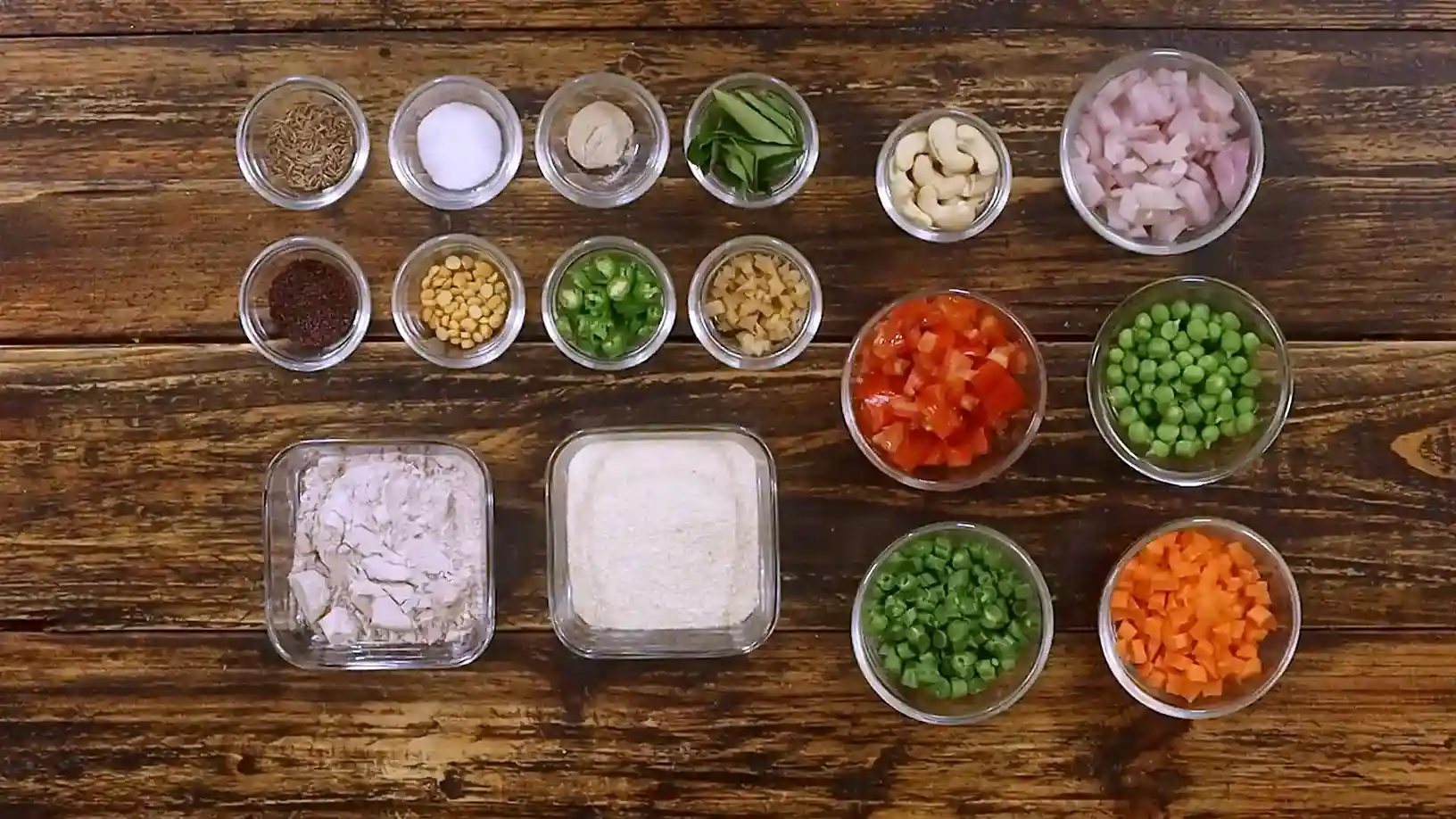
Method
-
Heat fats
Heat ghee and oil in a kadai
-
Roast nuts and dal
Add cashews and chana dal and roast until golden -
Add whole spices
Add mustard seeds and cumin seeds and let them splutter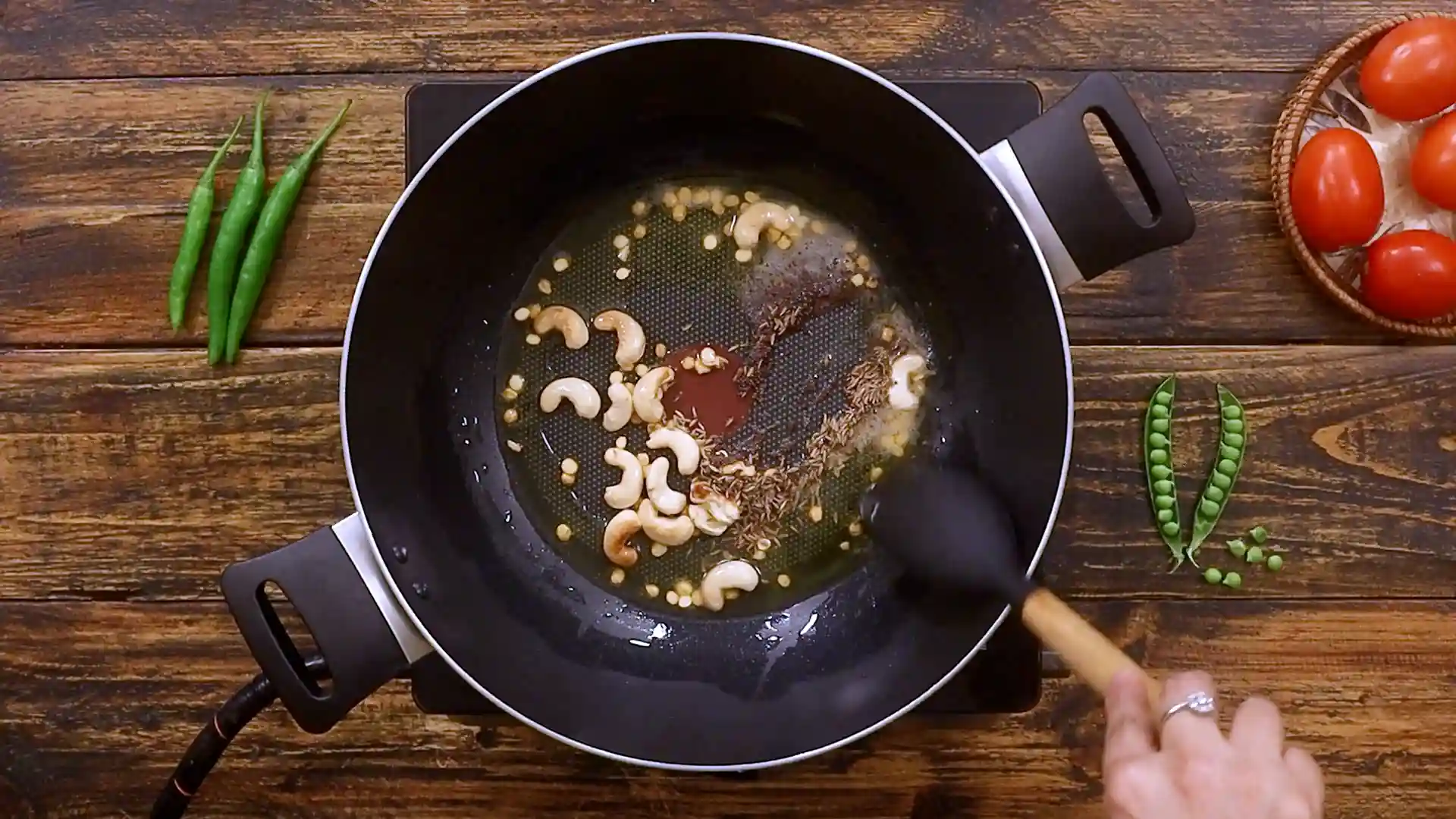
-
Saute aromatics
Add onion, green chillies and ginger and saute for a minute -
Cook vegetables
Add tomato, peas, carrot and beans and mix well -
Season mixture
Add salt, asafoetida and curry leaves and mix -
Roast sooji
Add sooji and roast along with vegetables for 5 minutes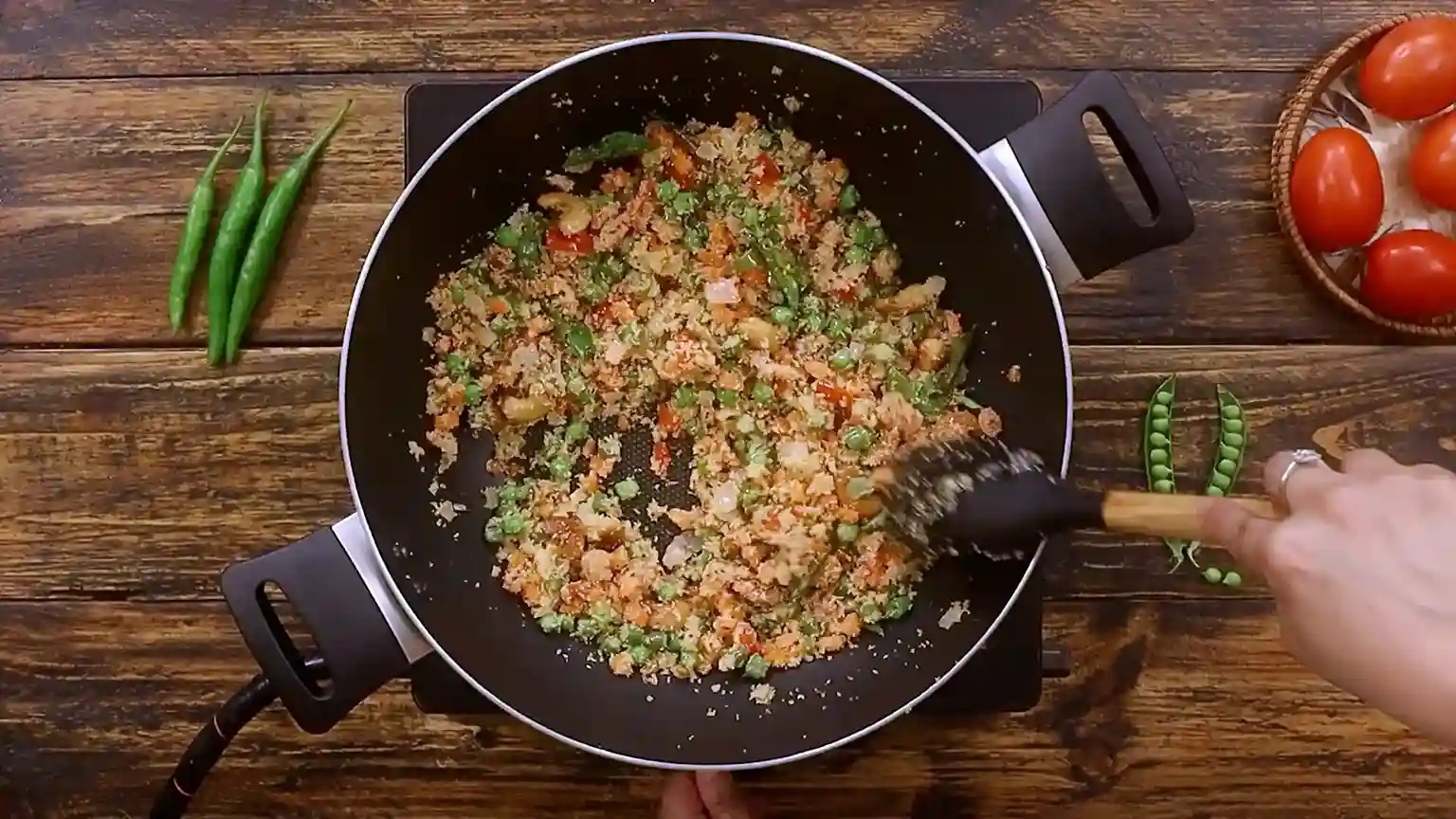
-
Add ragi flour
Add ragi flour and roast on medium flame for 5 minutes. -
Add water
Pour water slowly and mix continuously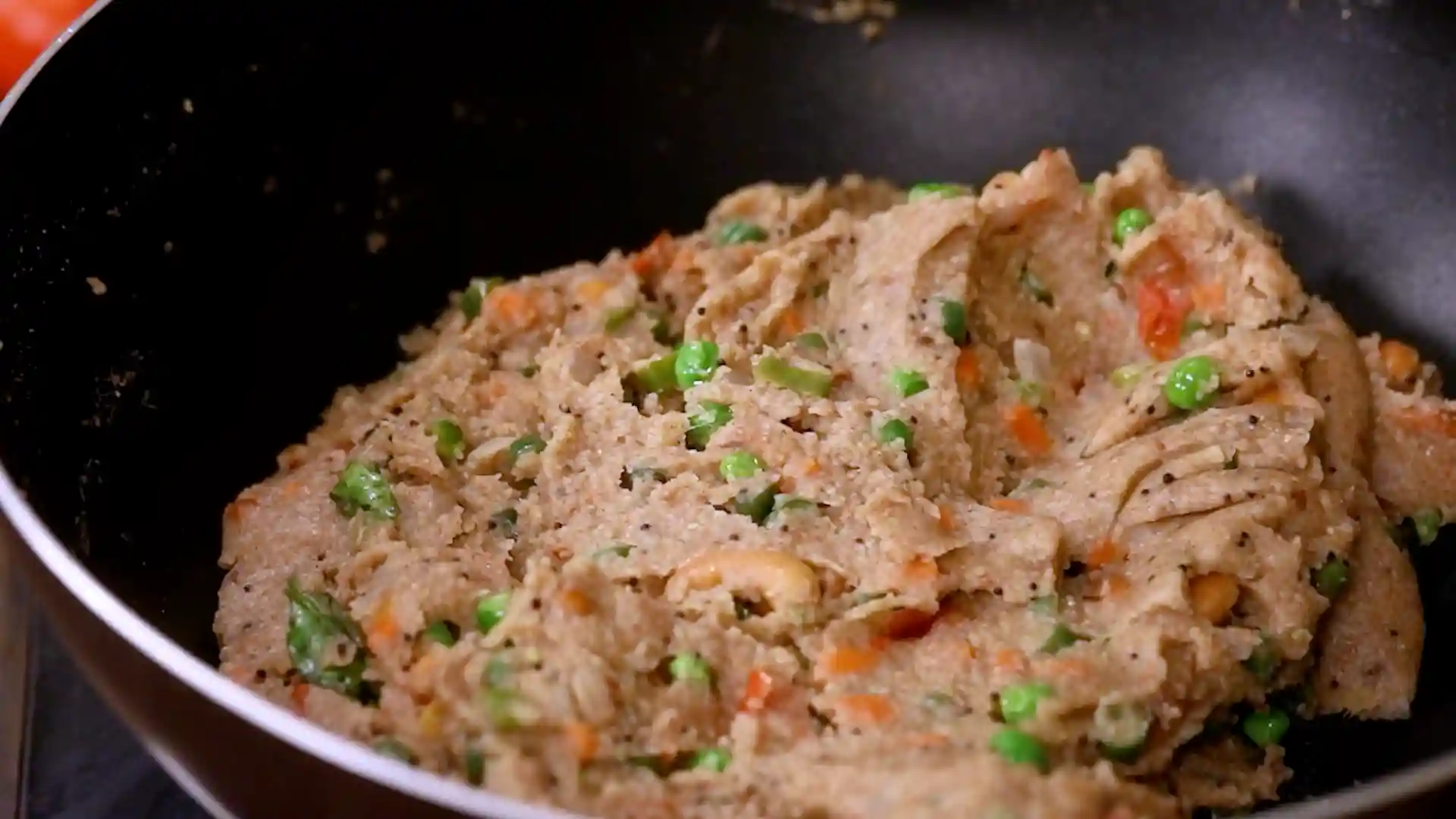
-
Finish with ghee
Add ghee and give a final mix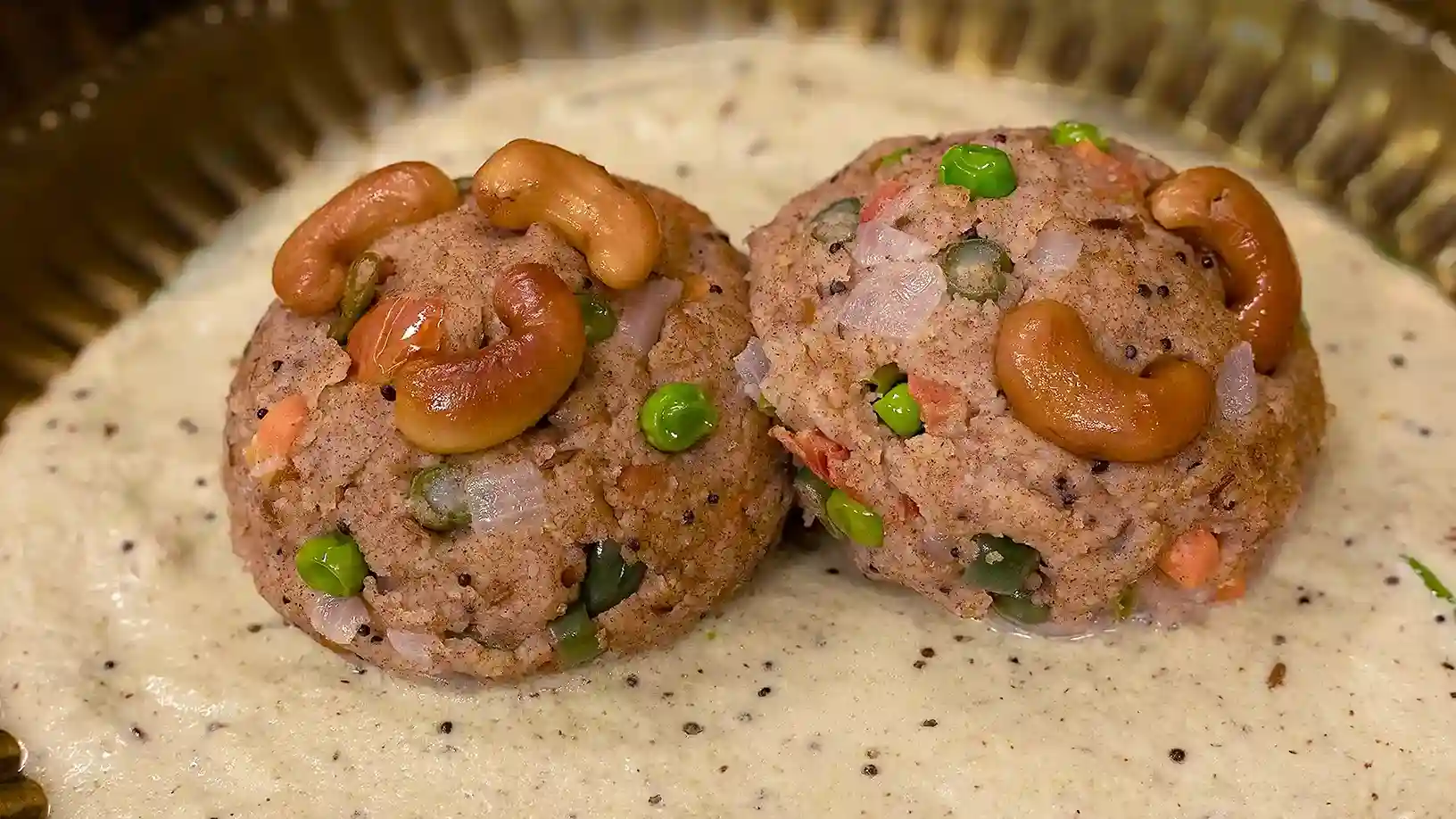
Equipment


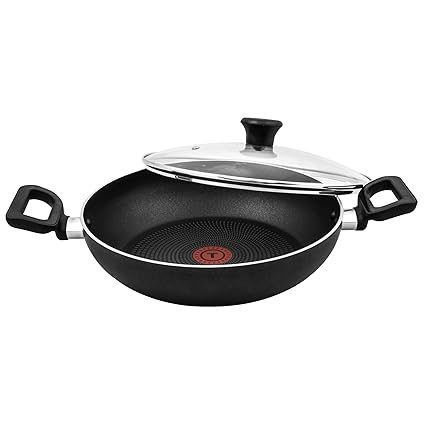
Affiliate Disclosure: This post contains Amazon affiliate links, i.e., when you buy any product using the links below, we get commissions. but it doesn’t cost you anything extra. If you do purchase any product using the given links, we thank you in advance!
Nutrition Facts
Servings 3
- Amount Per Serving
- Calories 280kcal
- % Daily Value *
- Total Fat 10g16%
- Saturated Fat 4g20%
- Cholesterol 15mg5%
- Sodium 320mg14%
- Potassium 380mg11%
- Total Carbohydrate 38g13%
- Dietary Fiber 5g20%
- Sugars 4g
- Protein 7g15%
- Calcium 120 mg
- Iron 3.5 mg
- Magnesium 90 mg
* Percent Daily Values are based on a 2,000 calorie diet. Your daily value may be higher or lower depending on your calorie needs.