If you’ve ever wondered why there are potatoes in Kolkata biryani, or why your grandmother insists on adding drumstick to fish curry, or why that amazing duck dish has chunks of papaya in it—you’re asking exactly the right question.
Because here’s what most people get wrong: they think vegetables in non-veg dishes are just fillers. Something to bulk up the meal, make the expensive meat go further, or add some nutrition to balance out the protein.
That’s not it at all.
In Indian cooking, specific vegetables are paired with specific meats for very deliberate reasons. They’re not there by accident or out of necessity. They’re there because they make the dish work. They absorb flavors, balance out strong smells, change textures, help with digestion, and sometimes even tenderize the meat itself.
Every region of India has figured out which vegetables go with which meats based on hundreds of years of cooking, eating, and paying attention to what works. These pairings aren’t random—they’re smart. And once you understand why they exist, you’ll never look at that potato in your mutton curry the same way again.
Let’s talk about what’s really happening when vegetables meet meat in Indian cooking.
The Culinary Science Behind Adding Vegetables to Meat
Before we get into specific regional pairings, let’s understand what vegetables actually do in meat dishes.
They absorb fat and flavor
Many non-veg dishes are cooked with a good amount of oil or ghee—that’s how you build flavor in Indian cooking. But too much fat sitting on top makes the dish heavy and greasy. Vegetables, especially starchy ones like potato or yam, soak up that excess fat. They also absorb all the spices and aromatics dissolved in that fat, which means every bite of vegetable carries concentrated flavor.
They act as natural gravy thickeners
Starchy vegetables like potato, tapioca, or raw banana release their starch into the gravy as they cook. This naturally thickens the curry without needing to add flour or cornstarch. The result is a gravy that coats everything properly instead of being watery.
Some vegetables contain natural tenderizers
Raw papaya is the most famous example. It contains an enzyme called papain that breaks down tough meat proteins, making the meat softer and easier to cook. This is why papaya shows up in dishes with tougher meats like duck or pork.
They balance strong smells
Fish and dried fish can have very strong, pungent aromas. Certain vegetables—like drumstick, radish, or bamboo shoot—have their own strong flavors that don’t just mask the fish smell but actually balance it out. The result is complex, layered flavor instead of just “fishy.”
They change the texture experience
Eating only meat in a curry can feel monotonous. Adding vegetables gives you textural variety—soft potato against chewy meat, crunchy radish against flaky fish, dense yam against tender beef. Your mouth stays interested.
They help with digestion
Heavy protein meals can be hard to digest, especially in hot climates. Many of the vegetables used in non-veg cooking have digestive properties—they help your body break down all that protein and fat more easily. This isn’t accident; it’s practical wisdom.
Now let’s look at how different regions of India apply this wisdom with their own signature pairings.
Regional Vegetable + Non-Veg Pairings: What Goes Where and Why
West Bengal: The Potato Story
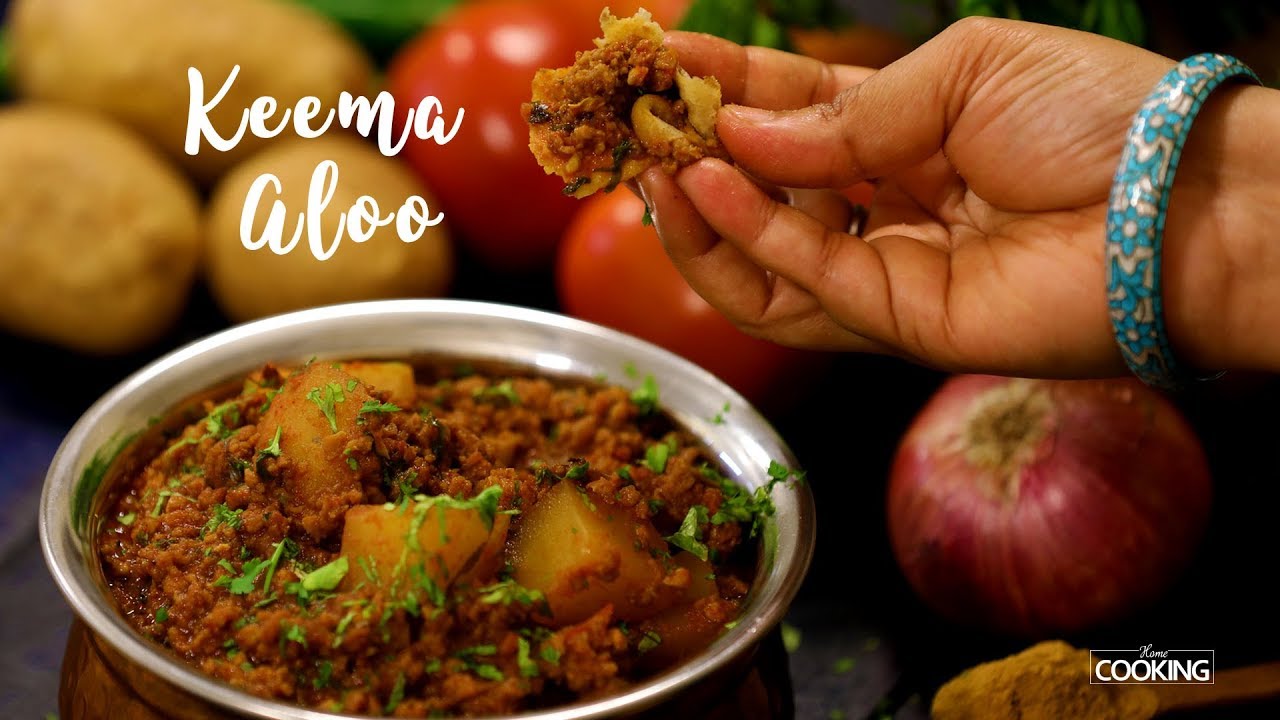
- Vegetable Used: Potato
- Pairs With: Mutton kosha, fish curry (especially rui or katla), and most famously—Kolkata biryani
Why This Combination Exists
The potato-in-biryani tradition has a specific history. When Wajid Ali Shah, the last Nawab of Awadh, was exiled to Kolkata in the 1850s, he brought his royal cooks with him. But Kolkata wasn’t Lucknow—meat was more expensive here. The cooks started adding potatoes to make the biryani more substantial without compromising on flavor. But they quickly realized the potatoes weren’t just filler—they were actually making the biryani better.
Flavor Profile Added
Potatoes are flavor sponges. In biryani, they soak up all the saffron, spices, and meat juices. When you bite into a biryani potato, you’re getting concentrated biryani essence. In mutton kosha, potatoes absorb the rich, slow-cooked gravy and become almost as flavorful as the meat itself. In fish curry, they balance the richness and add body to the gravy.
Historical Context
Beyond the Nawabi connection, potatoes became staple in Bengali cooking because they grow well in the region and were affordable. But Bengali cooks didn’t just throw them in carelessly—they learned exactly how to cut them (large chunks that don’t break down), when to add them (after the meat has started cooking), and how to use them to improve the dish.
Health/Digestive Benefit
Potatoes slow down the absorption of fat in your system, making heavy meat curries easier to digest. They also add fiber, which helps process all that protein.
Tamil Nadu: Drumstick, Radish, and the Art of Balancing Seafood
- Vegetable Used: Drumstick (murungakkai) and radish (mullangi)
- Pairs With: Prawn gravy, fish kuzhambu, chicken curry, dry fish preparations
Why This Combination Exists
Tamil Nadu has a long coastline and seafood is central to the cuisine. But fresh fish and prawns can have strong smells, and dried fish even more so. Drumstick and radish are pungent vegetables with their own distinctive aromas. When cooked with seafood, they don’t mask the fish smell—they create a balance. The result is complexity instead of just “fishiness.”
Flavor Profile Added
Drumstick adds a slightly bitter, earthy note that cuts through the richness of coconut-based gravies. Radish adds a sharp, peppery quality that works especially well with tamarind-based fish curries. Both vegetables soften as they cook but retain enough structure to provide textural contrast.
In dry fish dishes, radish is particularly important—it absorbs some of the intense saltiness and pungency of the dried fish while adding moisture to what would otherwise be a very dry preparation.
Historical Context
Both drumstick and radish grow abundantly in Tamil Nadu. They’re not expensive or exotic—they’re everyday vegetables that Tamil cooks have been pairing with seafood for generations. The pairing is so established that many Tamil people wouldn’t even think to make prawn gravy without drumstick or meen kuzhambu without radish.
Health/Digestive Benefit
Drumstick is known for its cooling properties in traditional medicine, which balances the “heat” of spicy fish curries. Radish aids digestion and helps process the heavy proteins in meat and fish. Both are nutrient-dense vegetables that add vitamins and minerals to protein-heavy meals.
Kerala: Tapioca, Yam, and the “Meaty” Vegetables
- Vegetable Used: Tapioca (kappa), yam (chena), raw banana (ethakka)
- Pairs With: Fish curry, beef roast, fish moilee, beef ularthiyathu
Why This Combination Exists
Kerala’s pairing of dense, starchy vegetables with meat and fish serves multiple purposes. Historically, these vegetables were famine foods—they’re filling, grow easily, and could feed people when rice was scarce. But Malayali cooks discovered these weren’t just filling—they were good. The dense, almost meaty texture of tapioca and yam made them perfect companions to fish and beef.
Flavor Profile Added
These vegetables have mild flavors that don’t compete with the meat—they support it. Tapioca has a slightly sweet, neutral taste that soaks up coconut milk and curry spices beautifully. Yam is dense and earthy. Raw banana adds structure and a subtle plantain flavor. All three have textures substantial enough that they feel satisfying alongside meat, not like an afterthought.
Historical Context
Tapioca especially has deep roots in Kerala’s food culture. It was introduced during colonial times and became so integrated that “kappa and meen” (tapioca and fish curry) is now considered a traditional Kerala meal. The pairing makes sense: coastal communities had abundant fish but needed something starchy and filling to go with it. Tapioca was the answer.
Health/Digestive Benefit
These starchy vegetables provide sustained energy and slow-release carbohydrates. They make rich, coconut-milk-based fish curries more balanced and easier to digest. They also add fiber and minerals that complement the protein in fish and meat.
Assam & Northeast: Raw Papaya and the Tenderizing Tradition
- Vegetable Used: Raw papaya
- Pairs With: Duck curry, pork dishes, tougher cuts of meat
Why This Combination Exists
This is pure practical wisdom. Raw papaya contains papain, a natural enzyme that breaks down tough meat proteins. Duck meat is naturally tougher than chicken. Pork, especially wild pork that’s traditionally hunted in Northeast India, can be quite chewy. Cooking these meats with raw papaya makes them tender without hours of slow cooking.
Flavor Profile Added
Raw papaya itself is fairly neutral in flavor—slightly bitter, slightly sweet. But that’s the point. It doesn’t overwhelm the meat; it just helps it cook better. As it cooks, papaya softens and absorbs the gravy flavors while doing its tenderizing work in the background.
Historical Context
Tribal communities in Northeast India have been using papaya with meat for generations. This wasn’t learned from cookbooks—it was discovered through observation and passed down because it worked. When meat is precious (whether from hunting or expense), you want to make sure it’s tender and enjoyable. Papaya guarantees that.
Health/Digestive Benefit
Beyond tenderizing, papain helps your body digest protein more efficiently. It breaks down the complex protein molecules, making them easier for your digestive system to process. This is why papaya-cooked meat often feels lighter in your stomach despite being rich.
Northeast Extended: Bamboo Shoot and the Preservation Factor
- Vegetable Used: Bamboo shoot (especially fermented)
- Pairs With: Pork (especially pork with black sesame), fish, dried fish
Why This Combination Exists
Bamboo shoots are abundant in Northeast India, and fermented bamboo shoot is a preservation technique that predates refrigeration. When paired with pork—particularly fatty pork—bamboo shoot cuts through the richness with its tangy, slightly sour flavor. The fermentation also adds umami depth that makes the meat taste even meatier.
Flavor Profile Added
Fresh bamboo shoot is crunchy with a mild, slightly sweet taste. Fermented bamboo shoot is tangy, pungent, and intensely flavorful—think somewhere between sauerkraut and kimchi. Both add textural crunch that contrasts beautifully with soft, fatty pork. The sourness balances the fat, making rich dishes feel lighter on the palate.
Historical Context
In a region where refrigeration wasn’t available and monsoons made food preservation challenging, fermentation was essential. Fermenting bamboo shoots allowed communities to preserve a seasonal vegetable and use it year-round. Pairing it with pork wasn’t just about taste—it was about survival, preservation, and making the most of available resources.
Health/Digestive Benefit
Fermented bamboo shoot contains probiotics that support gut health. When you’re eating heavy, fatty pork, these beneficial bacteria help your digestive system break down the fat and protein more efficiently. It’s traditional wisdom that aligns perfectly with modern understanding of gut health.
Flavor Profile Matching: The Patterns Behind the Pairings
Once you look at all these regional examples, patterns emerge. Indian cooks haven’t been pairing vegetables with meat randomly—there’s logic to it.
- Starchy vegetables go with fatty meats. Potato with mutton, tapioca with beef, yam with pork. Starch absorbs fat, makes the gravy thicker, and balances richness. The vegetables become flavor carriers while preventing the dish from feeling too greasy.
- Pungent vegetables go with oily or dried meats. Radish with dried fish, bamboo shoot with fatty pork, drumstick with strong-smelling seafood. When meat has an intense aroma, you need a vegetable with its own personality to create balance, not just mild vegetables that get overwhelmed.
- Enzymatic vegetables go with tough meats. Raw papaya with duck, pork, or game meats. When you’re working with proteins that need extra help to become tender, you want vegetables that actively tenderize, not just add flavor.
- Fermented vegetables go with heavy dishes. Fermented bamboo shoot with pork, fermented greens in some tribal cuisines. The sourness and probiotics cut through richness and help with digestion.
These aren’t written rules that someone invented. They’re patterns that emerged from thousands of home cooks, across generations, figuring out what works. And what works is functional—it’s about making food taste better, cook better, and digest better.
Health Logic Behind These Pairings
Let’s be clear: our ancestors weren’t thinking in terms of “probiotics” or “enzyme activity.” They didn’t know the scientific terms. But they knew what worked, and modern food science often confirms their instincts.
- Heavy proteins are easier to digest when paired with certain vegetables. Starchy vegetables slow down digestion slightly, which prevents the spike-and-crash that can happen with pure protein meals. Fibrous vegetables add bulk that helps move everything through your system.
- Fat absorption becomes more balanced. When vegetables absorb some of the cooking fat, you’re not consuming all of it in liquid form. The fat gets distributed through the vegetables, which changes how your body processes it.
- Natural probiotics support gut health. Fermented vegetables like bamboo shoot aren’t just about flavor—they introduce beneficial bacteria that help digest heavy, fatty foods. This is why fermented vegetables appear in cuisines that feature a lot of pork and fatty meats.
- Mineral and enzyme support. Many of these vegetable-meat pairings provide complementary nutrients. The iron in meat is absorbed better when you eat it with vegetables that contain vitamin C. Enzymes in papaya help break down proteins. Potassium in vegetables balances sodium in salted or cured meats.
Again, traditional cooks didn’t know the chemistry. But they knew that certain combinations made people feel better after eating, made the food more satisfying, and kept working generation after generation. That’s proof enough.
Why This Matters: Authenticity Isn’t Just About Taste
Here’s what happens when you start understanding these vegetable-meat pairings: you realize that removing them changes the dish fundamentally.
Kolkata biryani without potato isn’t just “biryani with one ingredient missing”—it’s a different dish. The potato is part of what makes it Kolkata biryani, not Hyderabadi or Lucknowi biryani. Remove it and you’ve lost regional identity.
Tamil fish curry without drumstick or mango is technically fish curry, but it won’t taste right. It’ll be missing that balance, that complexity. It’ll taste like something’s incomplete, even if you can’t put your finger on what.
Kerala’s kappa and meen isn’t fish curry with a side of starch. It’s a pairing where both elements are equally important—the fish wouldn’t be the same without the tapioca, and the tapioca wouldn’t be the same without the fish curry to soak into it.
These vegetables aren’t extras. They’re not optional. They define regional identity. They’re how different parts of India say, “This is how we cook meat.” They’re functional tools that solve specific problems—too much fat, too strong a smell, too tough a texture, too heavy a meal.
When you understand that vegetables in Indian non-veg dishes are intentional, functional, and deeply rooted in regional logic, you start cooking differently. You stop thinking, “Can I skip the potato?” and start thinking, “What will happen to the dish if I don’t include it?”
And usually, the answer is: it won’t be the same dish anymore.
Indian Cooking Is Functional Flavor Design
The brilliance of Indian regional cooking is that it solves problems through flavor. Too much fat? Add a vegetable that absorbs it and turns it into something delicious. Meat too tough? Add something that tenderizes it while adding its own character. Dish too one-dimensional? Add textural contrast that makes every bite interesting.
These aren’t abstract culinary philosophy—they’re practical solutions that also happen to taste incredible.
That’s what vegetables in non-veg dishes represent: generations of cooks solving real problems with real ingredients and discovering that the solutions not only work but create iconic regional dishes worth preserving.
So the next time you see potato in biryani, drumstick in fish curry, or papaya in duck, don’t think “filler.” Think “functional brilliance.” Think “regional genius.” Think “this is here for a reason, and removing it breaks something important.”
Because in Indian cooking, everything has a reason. And once you know the reasons, you never cook—or eat—the same way again.