Ever tasted a rich biryani and wondered what that tangy, comforting curry served alongside it is?
That dish is Hyderabadi Dalcha.
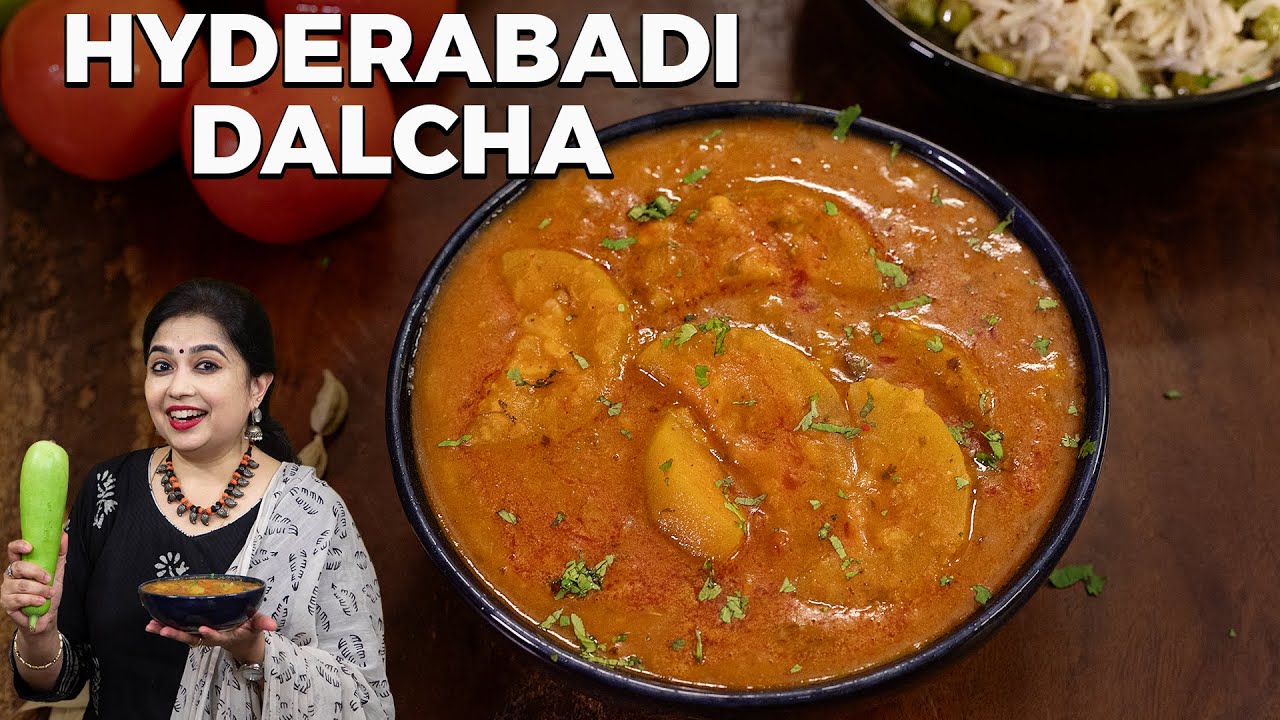
This traditional curry is a beautiful combination of mixed lentils, tender bottle gourd, aromatic spices, and tangy tamarind. The lentils cook down into a creamy base while the vegetables soak up the flavorful masala, creating a curry that is hearty, nourishing, and incredibly satisfying.
In many Hyderabadi homes, dalcha is considered the perfect companion to biryani. It balances the richness of the rice with its mildly tangy and spiced flavor. But it’s equally delicious with plain rice or roti, making it a versatile everyday curry.
The best part? You can make this comforting dish in about 30 minutes using a pressure cooker.
What is Hyderabadi Dalcha?
Hyderabadi Dalcha is a lentil-based curry from the royal kitchens of Hyderabad. Traditionally it is prepared using lentils, vegetables, spices, and tamarind, simmered together until rich and flavorful.
The dish is known for its:
- Creamy lentil base
- Tangy tamarind flavor
- Fragrant whole spices
- Soft vegetables like bottle gourd
While the traditional version sometimes includes meat, the vegetarian dalcha made with bottle gourd is equally popular in many homes.
It’s often served with:
- Biryani
- Steamed rice
- Chapati
- Parotta
A Bit of Culinary History
Hyderabadi cuisine is famous for blending Mughlai, Persian, and South Indian cooking traditions.
Dalcha is a great example of this fusion. It combines:
- Mughlai-style rich spices
- South Indian ingredients like tamarind and curry herbs
- Slow-cooked lentils typical of Indian comfort food.
Over time, vegetarian versions with vegetables like bottle gourd, pumpkin, or eggplant became common in households.
Today, dalcha remains a staple curry in Hyderabadi meals.
Why This Dish Is So Good for You
This recipe isn’t just delicious, it’s also incredibly nutritious.
The combination of three different dals makes it both filling and protein-rich.
Here are some benefits:
• High in plant-based protein
• Rich in fiber for digestion
• Packed with vitamins and minerals
• Naturally gluten-free
Bottle gourd adds hydration and lightness, which balances the richness of lentils.
Ingredient Breakdown
Let’s look at what makes this dish so special.
Mixed Lentils
Using three types of dal creates a perfect balance:
- Toor dal adds creaminess
- Chana dal provides a slight bite
- Moong dal makes the curry smooth and light
Together they give dalcha its signature texture
- Bottle Gourd (Lauki): Bottle gourd absorbs the masala beautifully.
It adds:
- soft texture
- mild sweetness
- lightness to the curry.
It also keeps the dish easy to digest.
- Tamarind: Tamarind brings the signature tanginess of dalcha.
It balances the spices and gives the curry its distinctive Hyderabadi character.
- Mint and Coriander: These herbs add freshness and aroma.
Mint especially gives dalcha a refreshing layer of flavor.
- Whole Spices: Cinnamon, cloves, and cardamom create the warm aromatic base typical of Hyderabadi cooking.
These spices infuse the oil and flavor the entire curry.
How This Curry Comes Together
The process is simple but layered with flavor.
First, the mixed lentils are pressure cooked with onions, tomatoes, green chilies, turmeric, and herbs. As they cook, the dals soften and blend into a creamy mixture.
Meanwhile, you prepare the masala base.
Heat oil in a wide pan and add whole spices. The moment they start releasing their aroma, you’ll notice that warm Hyderabadi fragrance filling the kitchen.
Next add finely chopped onions and sauté until they turn golden brown. This step builds the sweet and savory base of the curry.
Once the onions are ready, stir in ginger garlic paste and cook until the raw smell disappears.
Then come the tomatoes and spice powders. As the tomatoes soften, the masala thickens and becomes fragrant.
Now add the chopped bottle gourd and mix it well so the masala coats each piece.
Cover the pan and let the vegetable cook gently until tender.
At this point, pour in the cooked dal mixture. Stir everything together and let the curry simmer so the flavors combine.
Finally, add tamarind puree to bring in that signature tangy note.
Finish with crushed kasuri methi and fresh coriander leaves.
The result is a rich, aromatic dalcha with soft vegetables and creamy lentils.
Pro Tip💡: Always add tamarind towards the end of cooking. Adding it earlier can slow down the softening of the lentils.
Vegan Swap🌿: No substitutions needed, just ensure the oil used is plant-based like sunflower oil or groundnut oil.
What Makes Dalcha Perfect for Everyday Meals
Dalcha works beautifully as a comfort food curry.
It solves several common cooking needs:
- A high-protein vegetarian meal
- A one-pot curry for busy days
- A dish that pairs with rice or roti
- A nutritious meal for the entire family
Because it uses lentils and vegetables, it’s both economical and wholesome.
What Goes Well With Hyderabadi Dalcha
Dalcha pairs wonderfully with:
- Hyderabadi biryani
- Steamed basmati rice
- Jeera rice
- Chapati
- Parotta
Many people love eating it with biryani because the tangy curry balances the richness of the rice.
How to Serve
Serve dalcha hot and freshly simmered.
For the best flavor:
- garnish with coriander leaves
- drizzle a small spoon of ghee on top (optional)
- serve with hot rice.
The curry thickens slightly as it rests, making it even more flavorful.
Packing for Lunch Boxes
Dalcha is excellent for lunch boxes.
Tips for packing:
- Allow the curry to cool slightly before packing
- Pair with rice or roti
- Use a leak-proof container.
Because of its thick consistency, it travels well.
Bulk Preparation for Gatherings
Dalcha is ideal for feeding a crowd.
Simply:
- double the lentils
- increase the spices proportionally
- cook in a larger pot.
It’s a great dish for family gatherings or weekend meals.
How to Store Hyderabadi Dalcha
Store leftover dalcha in an airtight container.
Refrigerator:
Up to 3 days
Freezer:
Up to 1 month
The flavor actually improves the next day as the spices settle.
How to Reheat
Reheat gently on the stove.
If the dal becomes thick:
- add a splash of water
- simmer for 2–3 minutes.
Stir occasionally to prevent sticking.
Substitutions
If bottle gourd is unavailable, try these vegetables:
- pumpkin
- eggplant
- zucchini
- ridge gourd.
Each variation creates a slightly different flavor profile.
Diet-Friendly Notes
This recipe is naturally:
It’s a great option for balanced everyday meals.
Common Pitfalls to Avoid
Here are a few mistakes to watch out for.
- Skipping soaking the dals- This can make them take longer to cook.
- Adding tamarind too early- It can prevent lentils from softening properly.
- Undercooking bottle gourd- Make sure it becomes soft before adding the dal.
Other Related Recipes You Might Like
- Mutton Korma – rich and aromatic meat curry
- Chicken Curry – classic spicy gravy dish
- Panchmel Dal – rich and wholesome mixed lentil curry with deep flavours.
- Dal Fry – simple, comforting dal with ghee tempering.
- Andhra Style Tomato Pappu – tangy dal cooked with tomatoes and spices.
- Gongura Dal (Gongura Pappu) – bold and tangy Andhra dal with sorrel leaves.
- Vegetable Dum Biryani – aromatic biryani that pairs perfectly with dalcha.
- Mutton Donne Biryani – flavour-packed biryani with rich masala.
- Plain Paratha (Saada Paratha) – flaky paratha ideal for thick dal gravies.
- Naan – 3 Ways (Garlic, Butter, Sesame) – soft naan perfect for scooping dalcha.
Hyderabadi Dalcha
Description
Hyderabadi Dalcha by Hema Subramanian is a traditional lentil curry made with mixed dals, bottle gourd, spices, and tangy tamarind. A flavorful dish often served with rice or biryani.
Ingredients
To cook dal
To make hyderabadi dalcha
Instructions
Prep Work
-
Wash and soak dals
Wash the dals several times until the water runs clear. Soak them in water so they soften before cooking.

-
Chop vegetables
Finely chop onion, tomato, green chillies and bottle gourd pieces. Keep them ready for cooking. -
Prepare herbs
Chop coriander leaves and mint leaves and keep them ready. -
Prepare tamarind puree
Soak tamarind in warm water and extract thick tamarind juice.
Method
-
Pressure cook the dal
Add soaked dals to a pressure cooker along with onion, tomato, green chillies, turmeric powder, salt, water, coriander leaves and mint leaves. Close and cook until three whistles. Transfer to a bowl and keep aside.

-
Heat oil and roast spices
Heat oil in a wide kadai. Add whole spices and roast until fragrant. -
Saute onions
Add chopped onions and saute until they turn golden brown.
-
Add ginger garlic paste
Add ginger garlic paste and saute until the raw aroma disappears. -
Cook tomatoes and spices
Add chopped tomato, salt, kashmiri chilli powder, cumin powder, coriander powder and garam masala. Mix and cook until the tomatoes soften.
-
Add bottle gourd
Add bottle gourd pieces and mix well so the masala coats the vegetable evenly.
-
Cook bottle gourd
Add a little water, cover the kadai and cook for about five minutes until the vegetable softens. -
Add cooked dal
Add the cooked dal to the masala mixture and mix everything well. Cover and cook again for about five minutes.
-
Add tamarind
Add tamarind puree and let the curry boil for about two minutes.
-
Finish the curry
Add crushed kasuri methi and chopped coriander leaves. Mix gently and switch off the stove.
Equipment
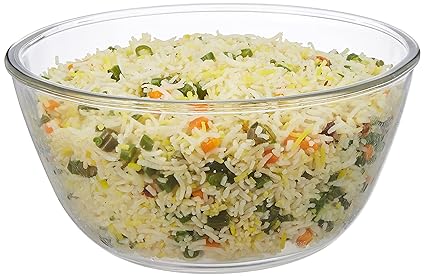
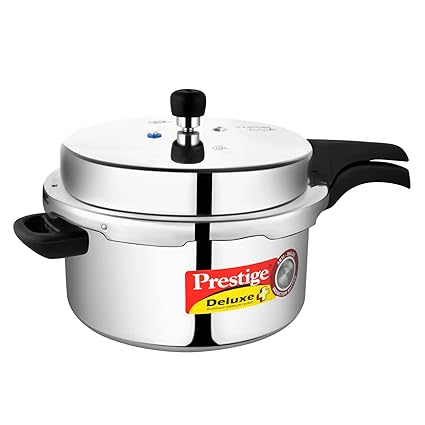

Affiliate Disclosure: This post contains Amazon affiliate links, i.e., when you buy any product using the links below, we get commissions. but it doesn’t cost you anything extra. If you do purchase any product using the given links, we thank you in advance!
Nutrition Facts
Servings 4
- Amount Per Serving
- Calories 240kcal
- % Daily Value *
- Total Fat 9g14%
- Saturated Fat 1.5g8%
- Sodium 520mg22%
- Potassium 480mg14%
- Total Carbohydrate 32g11%
- Dietary Fiber 8g32%
- Sugars 4g
- Protein 12g24%
- Vitamin A 380 IU
- Vitamin C 14 mg
- Calcium 70 mg
- Iron 3.1 mg
- Vitamin B6 0.3 mg
- Folate 120 mcg
- Phosphorus 160 mg
- Magnesium 65 mg
- Zinc 1.6 mg
* Percent Daily Values are based on a 2,000 calorie diet. Your daily value may be higher or lower depending on your calorie needs.